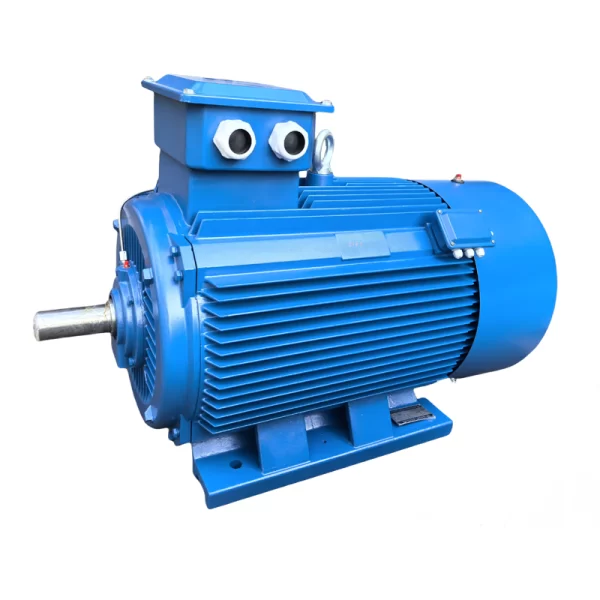
Electric motors sit at the heart of most industrial operations. When one fails unexpectedly, the ripple effects hit production schedules, maintenance budgets, and bottom lines hard. After years working with manufacturers across different sectors, I’ve seen how the difference between a motor that lasts five years and one that...
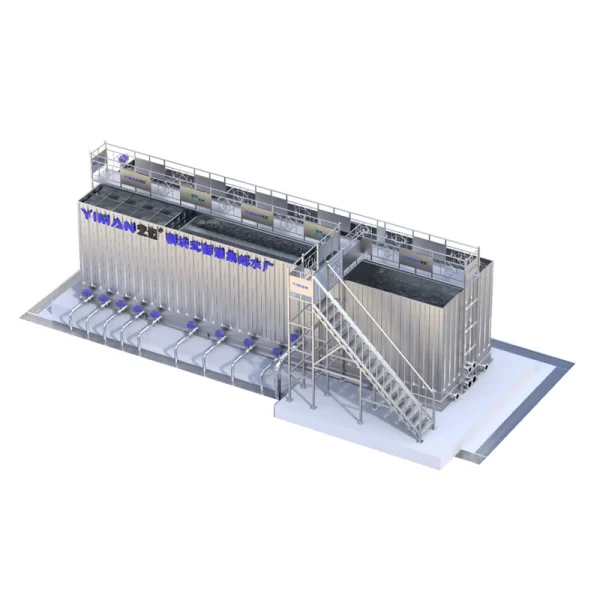
Integrated water treatment is no longer a nice-to-have. It’s become the baseline expectation across industrial operations globally. The shift we’re seeing moves beyond treating water as an afterthought toward managing it as a continuous cycle, from the moment it enters a facility to when it leaves. Water scarcity isn’t...
Water infrastructure keeps evolving, and unmanned smart water plants sit at the interesting intersection of necessity and technological capability. These facilities run continuously with minimal human presence, which sounds futuristic until you realize the underlying systems have been maturing for decades. The real shift happened when sensor costs dropped...
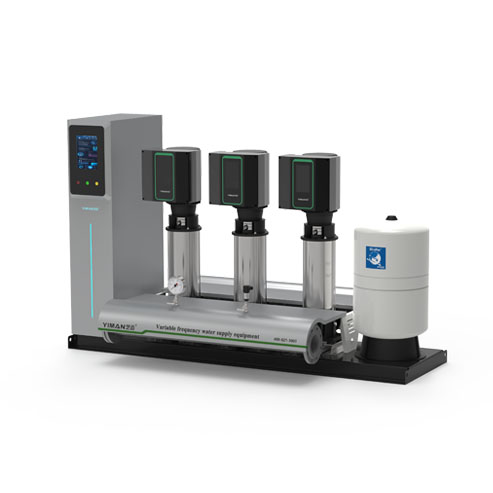
Smart Plant Technologies Cut Industrial Energy Costs Industrial facilities burn through energy at rates that make finance teams wince. Most plants operate with blind spots—equipment running harder than necessary, processes cycling when they shouldn’t, systems fighting each other instead of working together. The gap between current consumption and what’s...
Around 2.2 billion people still lack access to safely managed drinking water. Remote communities bear the heaviest burden. Traditional infrastructure rarely makes sense in these areas because logistics get complicated and costs spiral. Off grid water treatment and potable water systems have become the practical path forward for sustainable...
Modernizing water utilities can’t wait. Water scarcity, aging infrastructure, and operational inefficiencies keep pressing in and call for smarter answers. We see digital transformation as a practical path to build more robust, adaptive water infrastructure. Here, we look at how digital water solutions raise resilience and efficiency where it...
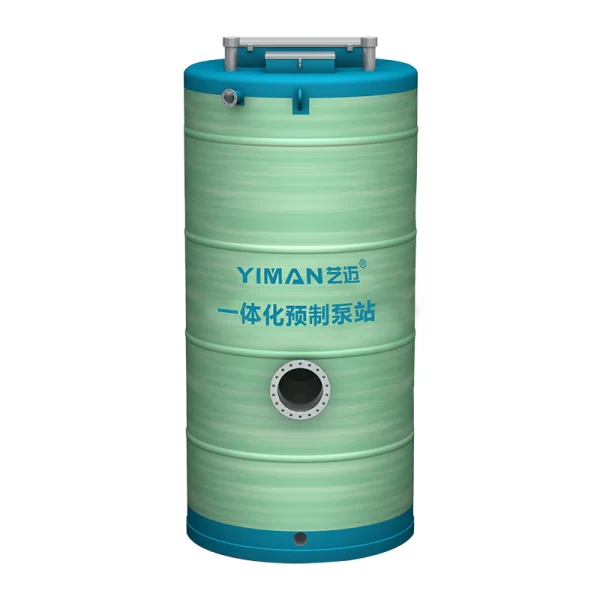
Clean water demand keeps climbing while aging infrastructure strains conventional management, and the gap shows up in daily operations. We see an urgent need for advanced solutions that lift efficiency and protect sustainable water resources. Here, we look at how intelligent technologies reshape water plants, what they deliver, and...
Industrial sites are feeling the strain of complex water demands, and piecemeal fixes tend to drive up risk and cost. Fragmented systems create inefficiencies and compliance headaches that rarely stay contained. We’ve seen unified solutions change that dynamic by tightening control and improving sustainability. Here, we define one-stop integrated...
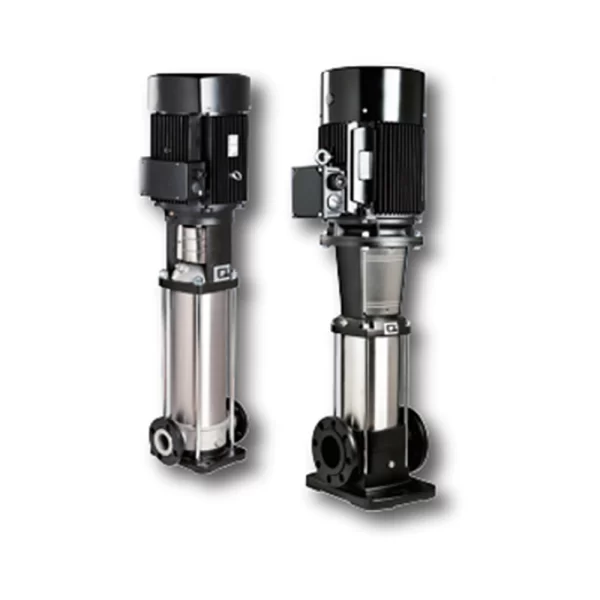
Water treatment plants are under steady pressure to deliver reliable, high-quality water while keeping efficiency and sustainability in balance. We’ve seen that precise control and real-time visibility are what make that possible, and that pairing operations with IoT sensors changes the pace of decision-making. Instead of waiting on periodic...
Managing complex water systems well is rarely simple. In our experience, the setups that hold up bring monitoring, control, and analytics into one place. Centralized control turns scattered components into an intelligent, coordinated network that works as a whole. Here is how these systems lift operational efficiency, protect water...