Oil-Water Separators: Compliance for Garages and Wash Facilities
Commercial operations like parking garages and vehicle wash facilities deal with wastewater that carries oils, greases, and various hydrocarbons. Getting the separation right matters more than most operators realize at first. It protects water resources, keeps regulators satisfied, and prevents the kind of infrastructure damage that leads to expensive repairs and operational headaches.
The Real Stakes of Oil-Water Separation for Commercial Facilities
Poor oil-water separation creates problems that compound quickly. Environmental regulations and local discharge limits set strict thresholds for hydrocarbon content in wastewater. Facilities operating under NPDES permits face real consequences when they miss these targets. Fines add up, operations get shut down, and reputations take hits that linger.
The infrastructure angle often gets overlooked until something breaks. Untreated oily wastewater clogs municipal sewer systems, degrades pipes over time, and throws off downstream treatment processes. Parking garage drainage channels can carry oil and grease straight into natural water bodies when interception fails. Shanghai Yimai Industrial Co., Ltd. builds oil-water separator systems designed around these realities, balancing ecological responsibility with the practical demands of keeping operations running smoothly.
How Oil-Water Separation Actually Works
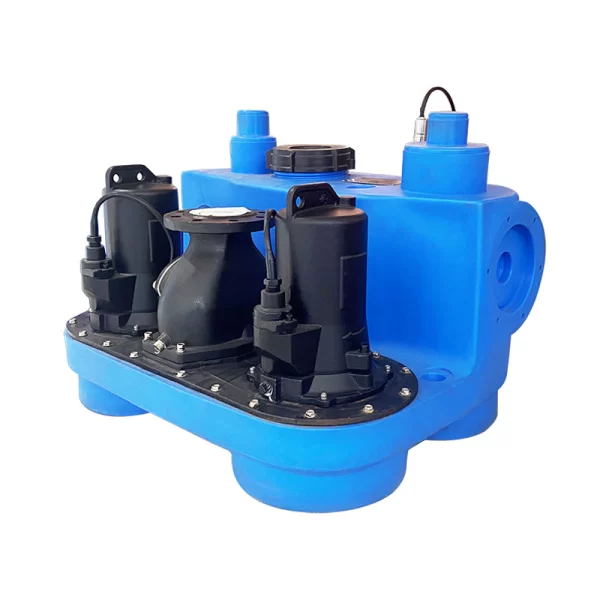
The physics behind oil-water separation relies on specific gravity differences between immiscible liquids. The goal is straightforward: pull hydrocarbons out of wastewater streams. Several separator types exist, each suited to different contamination levels and application requirements.
Gravity Separation represents the most fundamental approach. Oil floats because it weighs less than water. Heavier solids sink to the bottom. API separators follow American Petroleum Institute standards and handle large volumes of non-emulsified oil effectively.
Coalescing Plate Separators take gravity separation further by adding inclined plates that create more surface area. Small oil droplets bump into these surfaces and merge into larger droplets that rise faster. This approach works well for finer oil dispersions that gravity alone struggles with.
Advanced Systems become necessary when wastewater contains emulsified oil or heavy suspended solids loads. Dissolved air flotation and chemical treatment combined with physical separation can handle these more complex waste streams.
Choosing the right system depends on flow rate, oil concentration, and whether you’re dealing with emulsified oils or significant solids.
| Separator Type | Principle | Primary Use Case | Efficiency (Oil Removal) | Key Advantage |
|---|---|---|---|---|
| Gravity Separator | Density difference | Large volumes, non-emulsified oil | Moderate (>90% free oil) | Simplicity, low maintenance |
| Coalescing Plate Separator | Density difference + Coalescence | Moderate volumes, free & some dispersed oil | High (>95% free oil) | Enhanced efficiency, compact footprint |
| Advanced (e.g., DAF) | Air bubbles + Flotation | Emulsified oils, fine suspended solids | Very High (>98%) | Handles complex waste, high purity |
Custom Approaches for Parking Garages and Vehicle Wash Operations
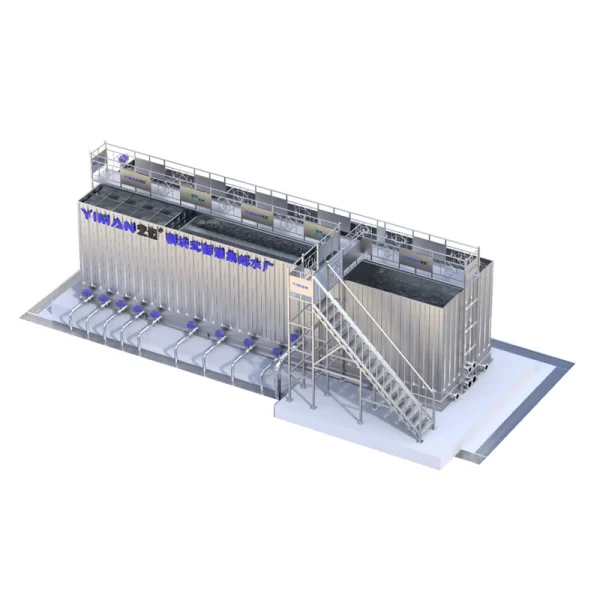
Effective oil-water separator systems need to match the specific challenges of each environment. Shanghai Yimai Industrial Co., Ltd. develops integrated solutions that account for the distinct demands of parking garage drainage and vehicle wash wastewater. Flow rates, solids removal needs, and existing grease trap configurations all factor into the design process. Each system gets built for durability, efficiency, and compliance with industrial wastewater standards.
What High-Traffic Parking Garages Actually Need
Parking garages with heavy vehicle traffic present challenges that simpler systems can’t handle. Continuous vehicle movement means constant potential for spills. Separators in these environments must manage significant stormwater runoff alongside diverse contaminants ranging from oil leaks to antifreeze. Large capacity separators with robust construction hold up better under heavy vehicle traffic and substantial debris loads. Grit chambers at the front end protect primary separation stages by catching solids before they cause problems downstream.
Making Separation Work for Vehicle Wash Facilities
Vehicle wash operations generate wastewater with characteristics that complicate separation. High volumes combine with detergents that stabilize oil droplets through emulsification. The surfactants in cleaning agents keep oil dispersed in ways that defeat simple gravity separation. Effective car wash wastewater treatment requires pre-treatment stages that break these emulsions before the wastewater reaches coalescing plate separators. Systems designed for water recycling cut fresh water consumption and reduce discharge volumes, which makes both environmental and economic sense.
Getting Installation and Maintenance Right
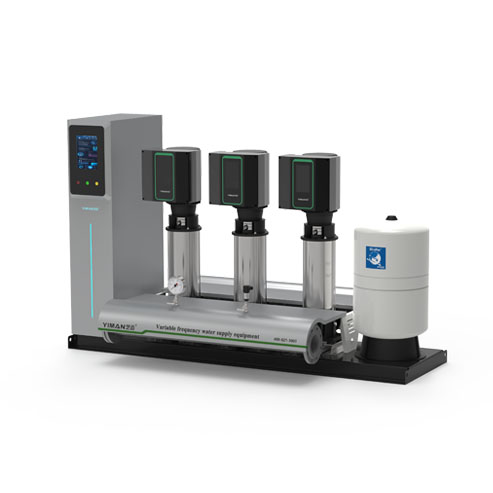
Proper installation and consistent maintenance determine whether an oil-water separator performs as designed or becomes an expensive disappointment. Comprehensive installation guidelines and effective preventative maintenance schedules protect the investment. Regular checks and timely servicing keep equipment running at full capacity and maintain compliance. This discipline translates directly into better return on investment through lower operating costs and avoided penalties.
When separation efficiency drops or overflow occurs, the culprit usually traces back to neglected sludge management or clogged coalescing plates. Systems designed for easy access and straightforward maintenance make routine tasks less burdensome. This practical approach keeps cost-effectiveness high over the system’s entire operational life.
Maintenance Schedule That Keeps Car Wash Separators Working
Car wash separators demand attention because of what car wash wastewater contains. A practical maintenance schedule looks like this:
- Daily Visual Inspection: Look for obvious oil layers, excessive foam, or unusual odors.
- Weekly Oil Skimming: Remove accumulated oil from the surface.
- Monthly Coalescer Inspection: Check coalescing plates for fouling or damage.
- Quarterly Sludge Removal: Pump out accumulated solids and sludge from the bottom.
- Semi-Annual System Clean-out: Perform thorough regular cleaning of the entire separator and all components.
Following this schedule keeps performance optimal and regulators satisfied.
Staying Compliant While Building Sustainable Operations
Environmental compliance requires ongoing attention rather than one-time fixes. Oil-water separator systems engineered to meet or exceed water quality standards and NPDES permit requirements make this achievable. Effective pollutant removal supports sustainable practices and demonstrates genuine commitment to pollution prevention. Regular facility audits verify ongoing compliance with local environmental regulations and catch potential issues before they escalate into violations.
Shanghai Yimai Industrial Co., Ltd. builds solutions that address current regulatory demands while supporting long-term environmental stewardship. This approach keeps operations compliant, reduces environmental impact, and builds the kind of reputation that matters.
What the Law Requires for Commercial Oil-Water Separators
Commercial facilities discharging wastewater with oil and grease content operate under various environmental laws. Discharge permits specify permissible limits for oil and grease content, and the numbers matter. Non-compliance triggers significant fines, potential legal action, and mandatory remediation requirements. Regulatory mandates vary by jurisdiction, with local authorities handling enforcement. Working with environmental experts ensures full adherence to all applicable laws and prevents the kind of surprises that disrupt operations.
Common Questions About Oil-Water Separators
Why are oil-water separators essential for parking garages?
Oil-water separators stop hydrocarbons and pollutants from vehicle leaks and spills from reaching stormwater drains and contaminating natural water bodies. This maintains environmental compliance and avoids fines. Effective stormwater management through proper separation protects aquatic ecosystems from contamination that would otherwise accumulate over time.
How do oil-water separators benefit vehicle wash facilities?
These separators remove oil, grease, and suspended solids from car wash wastewater before it enters the discharge system. This protects municipal sewer infrastructure, reduces wastewater treatment costs, and ensures adherence to local environmental regulations. Many facilities also use separation as the foundation for water recycling programs that cut operating costs.
What maintenance is required for an oil-water separation system?
Regular maintenance includes periodic inspection of coalescing plates, removal of accumulated oil and sludge, and system integrity checks. Frequency depends on usage patterns and contaminant loads, with most systems requiring quarterly or semi-annual service. Maintaining detailed maintenance logs provides documentation that regulators often request during inspections.
Are there different types of oil-water separators for varying needs?
Systems range from basic gravity separation units to advanced coalescing plate separators and dissolved air flotation units. The right choice depends on flow rates, oil concentration, emulsification levels, and specific discharge permit requirements. Matching the system to actual conditions matters more than selecting the most advanced option available.
How can Shanghai Yimai Industrial Co., Ltd. assist with my oil-water separation needs?
Shanghai Yimai Industrial Co., Ltd. manufactures oil-water separator systems with customization built into the process. Expert consultation, system design, installation guidance, and quality equipment come together to help facilities achieve optimal performance and environmental compliance through integrated solutions tailored to specific operational requirements.
Partner with Shanghai Yimai for Compliant Water Management
Ensure your facility meets stringent environmental standards with advanced oil-water separation solutions. Shanghai Yimai Industrial Co., Ltd. specializes in robust, efficient, and compliant systems tailored for parking garages and vehicle wash facilities. Contact our experts today for a consultation or to discuss your specific project requirements. Email us at overseas1@yimaipump.com or call/WhatsApp us at +86 13482295009.
If you’re interested, check out these related articles:
Organic Waste Treatment System Turning Waste into Resources for a Circular Economy
Water Plant in 3 to 6 Months the Land Liberating Yimai Modular Revolution
Empowering Fire Safety with Vertical Turbine Fire Fighting Pumps Efficiency Meets Reliability
Heilongjiang Urban Water Supply and Drainage Conference Pioneering Solutions for Ecological Resilience