
Prefabricated Pump Stations: Integrated Design Advantages
Water systems fail in predictable ways. Undersized pumps, mismatched controls, corroded housings — these problems show up years after installation, long after the original contractors have moved on. I’ve watched municipalities struggle with pump stations that were “built to spec” but never actually worked as a system. The components were fine individually. Together, they fought each other.
That experience shaped how I think about prefabricated pump stations. Factory integration isn’t just about convenience. It’s about making sure every valve, sensor, and pump curve was tested together before the unit ever leaves the floor.
Factory Assembly Changes the Quality Equation
A prefabricated pump station arrives as a complete, tested unit. Pumps, valves, controls, piping — everything sits inside a single structure, pre-wired and pre-plumbed. This differs fundamentally from traditional construction, where crews assemble individual components on-site, often in weather conditions that compromise weld quality and electrical connections.
The timeline compression matters. Factory assembly can cut construction schedules by roughly half compared to conventional methods. But the quality control advantage may be more significant. When technicians build and test a system indoors, under controlled conditions, they catch problems that field crews would miss or attribute to “normal break-in issues.”
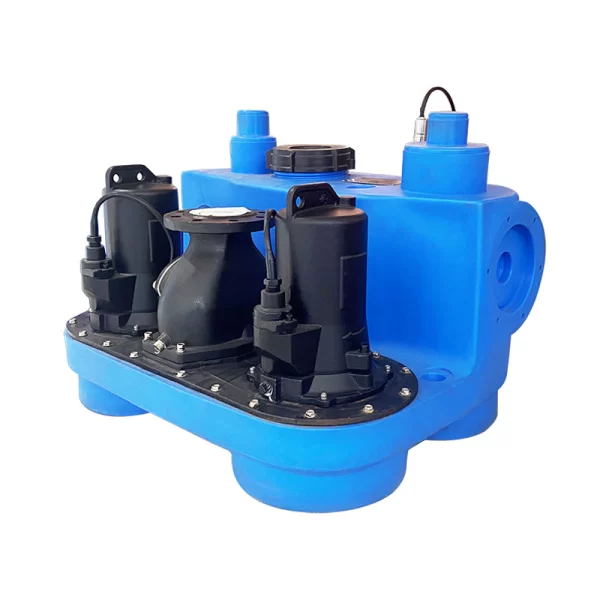
We build these modular pump systems for wastewater treatment plants, stormwater management, sewage lifting stations, and industrial applications where downtime carries real costs.
How Installation Sequences Differ
Traditional pump station construction follows a long, weather-dependent path:
Site excavation and foundation pouring come first. Then individual components arrive — pumps, pipes, control panels — often from different suppliers on different schedules. On-site assembly and welding follow, with electrical integration happening in parallel. Testing and commissioning wrap up the process, sometimes revealing integration problems that require rework.
Prefabricated installation compresses this sequence. Site excavation and foundation preparation happen while the factory builds the complete unit. The finished, factory-tested station arrives ready for placement. Crews lower it into position, connect inlet and outlet pipes, hook up power, and run final commissioning checks.
Why Component Matching Determines Energy Costs
Integrated design isn’t a marketing term. It describes a specific engineering approach where pump curves, pipe diameters, valve characteristics, and control logic are optimized together rather than specified independently.
The energy implications are substantial. Properly matched systems can achieve 30% better energy efficiency than component-based assemblies. That gap compounds over years of operation. A pump fighting against oversized check valves or undersized discharge piping wastes electricity every hour it runs.
This matters for long-term operational costs. Smart controls and variable frequency drives help, but they work best when the underlying hydraulics were designed as a system from the start.
Faster Deployment, Lower Total Cost
Factory assembly eliminates weather delays and reduces on-site labor requirements. Fewer trades need to coordinate. Fewer things can go wrong during installation.
These factors translate directly to project budgets. When a prefabricated pump station can be operational weeks or months faster than a conventional build, the carrying costs drop. The predictability also helps — fixed-price contracts become more realistic when most of the work happens in a controlled factory environment.
Operational Advantages That Compound Over Time
The reliability benefits of integrated prefabricated pump stations extend well beyond installation. Remote monitoring capabilities allow operators to track performance and catch developing problems before they cause failures. Facilities using these systems report roughly 25% less unplanned downtime compared to conventional installations.
Lower maintenance requirements stem partly from better initial quality control. When components are properly matched and tested together, they wear more evenly. Pumps don’t cycle unnecessarily. Valves don’t chatter. Control systems don’t hunt for setpoints that the hydraulics can’t actually achieve.
Where These Systems Make the Most Difference
Prefabricated pump stations serve a wide range of applications, but certain situations benefit most from the integrated approach.
| Application | Primary Function | Key Benefit |
|---|---|---|
| Urban Sewage Collection | Transporting wastewater to treatment facilities | Prevents overflows, protects public health |
| Stormwater Management | Preventing flooding in low-lying areas | Rapid response to heavy rainfall |
| Industrial Wastewater Treatment | Handling process water and effluent | Ensures regulatory compliance, process continuity |
| Farmland Irrigation | Supplying water for agricultural use | Efficient water distribution, crop yield |
| Low-lying Urban Areas | Rainwater collection and sewage transportation | Flood mitigation, sanitation improvement |
Municipal projects often face tight environmental compliance requirements. One recent installation achieved full compliance with new discharge standards while staying within budget — a combination that’s difficult to achieve with conventional construction approaches where integration problems frequently trigger change orders.
Emergency bypass systems, oil-water separation, and sewage treatment applications all benefit from the rapid deployment that factory-built units enable.
Industries That Gain the Most
Municipalities handle the most visible applications, but industrial facilities, commercial developments, and agricultural operations all face water management challenges that prefabricated pump stations address effectively. The common thread is a need for reliable fluid transfer in applications where failures carry significant consequences.
Solving Space and Site Constraints
Urban installations frequently face severe space limitations. Prefabricated pump stations can reduce land requirements by up to 40% compared to conventional construction. The compact footprint comes from vertical integration and optimized component placement that’s difficult to achieve with field assembly.
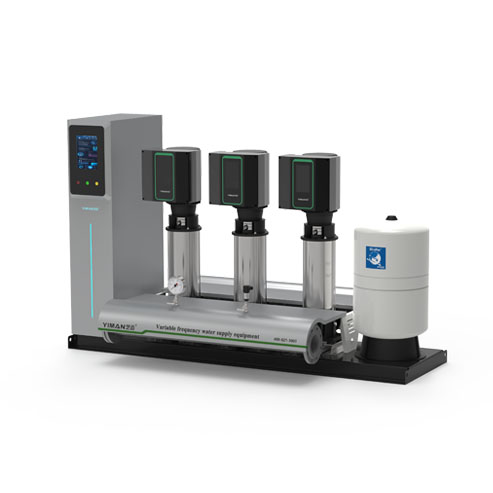
Site preparation requirements are also simpler. A level foundation that can support the unit’s weight is the primary requirement. Corrosion-resistant materials — typically fiberglass-reinforced plastic or stainless steel — handle the environmental exposure that would degrade conventional construction over time.
Modular Design Advantages
Beyond space savings, modular construction offers flexibility for future expansion. Adding capacity or upgrading controls is more straightforward when the original system was designed with modularity in mind. Traditional construction often locks in configurations that become expensive to modify.
Selecting a Manufacturer That Delivers
The prefabricated pump station market includes suppliers with widely varying capabilities. Experience with similar projects matters. So does the ability to customize designs for specific requirements rather than forcing projects to fit standard configurations.
Quality certifications provide baseline assurance, but the real test is whether a manufacturer can support the entire project lifecycle — from initial design through installation and long-term maintenance.
Procurement Considerations Worth Evaluating
Before committing to a supplier, assess their track record with comparable projects. Verify their customization capabilities against your specific requirements. Confirm that quality certifications meet relevant standards. Establish what after-sales support looks like, including maintenance services and spare parts availability.
Energy efficiency deserves careful evaluation. Request specific data on operational costs, not just equipment specifications. Material durability — particularly corrosion resistance — affects long-term maintenance requirements and system lifespan.
Common Questions About Prefabricated Pump Stations
What lifespan should I expect from an integrated prefabricated pump station?
Properly designed and maintained systems typically operate for 20 to 30 years, sometimes longer. The key factors are material selection and manufacturing quality. Fiberglass-reinforced plastic and stainless steel construction resists the corrosion that shortens the life of conventional installations. Factory-controlled assembly ensures consistent build quality that’s difficult to achieve in field conditions. Regular maintenance and remote monitoring extend operational life further by catching problems early.
How much customization is actually available?
Modern prefabricated pump stations offer substantial customization. Flow rates, pressure requirements, site constraints, and operational needs can all be accommodated through tailored designs. This includes pump selection, control system configuration, and internal layout optimization. The goal is matching the system to the application rather than forcing compromises.
Do these systems support sustainable water management goals?
Several factors contribute to sustainability. Energy-efficient designs incorporating variable frequency drives and optimized hydraulics reduce power consumption throughout the system’s life. Durable materials minimize replacement waste. Compact footprints reduce site disturbance. Rapid deployment capabilities help municipalities upgrade aging infrastructure before environmental problems develop.
Working with Shanghai Yimai Industrial Co., Ltd.
Our engineering team specializes in custom Prefabricated Pump Station designs that match specific project requirements. We handle the full scope — from initial design through manufacturing, installation support, and long-term service.
If you’re evaluating options for a water management project, we can discuss how integrated pump station solutions might fit your situation. Contact us at overseas1@yimaipump.com or +86 13482295009.