Pump Cavitation: Causes, Prevention, and Repair Strategies
Pump cavitation has a way of announcing itself before the real damage sets in. That distinctive crackling sound, the vibration you feel through the floor, the gradual decline in flow rate that nobody can quite explain—these are the early warnings that something fundamental has gone wrong in the fluid dynamics of your system. Having worked through countless cavitation incidents across different industrial settings, I’ve found that the gap between recognizing these symptoms and understanding their root causes often determines whether you’re looking at a minor adjustment or a complete impeller replacement.
What Actually Happens During Pump Cavitation
Pump cavitation begins when fluid pressure drops below the vapor pressure threshold, causing liquid to flash into vapor and form small bubbles. This typically occurs at the impeller eye or other low-pressure zones within the pump housing. The real destruction happens afterward. As these bubbles travel into higher pressure regions, they collapse with surprising violence. Each implosion generates localized pressures that can exceed 1,000 atmospheres, creating shockwaves that hammer away at metal surfaces.
The mechanism behind this damage is straightforward physics. When a vapor bubble collapses asymmetrically near a solid surface, it produces a micro-jet of liquid that strikes the metal at extremely high velocity. Repeat this millions of times and you get the characteristic pitting that eats through impeller vanes. The process is relentless once it starts, and the erosion accelerates as surface roughness increases.
Net Positive Suction Head serves as the critical measurement for predicting pump cavitation risk. NPSHa represents the actual pressure conditions at your pump inlet, calculated from absolute pressure minus vapor pressure plus velocity head. NPSHr is what the pump manufacturer specifies as the minimum pressure needed to prevent bubble formation. When NPSHa falls below NPSHr, you’re operating in cavitation territory. This relationship applies equally to vertical multi-stage centrifugal pumps and Heat Conducting Oil Pump applications, though the specific values differ based on fluid properties and operating temperatures.
Why Industrial Pumps Develop Cavitation Problems
The causes of pump cavitation tend to cluster around three categories: design oversights, operational drift, and environmental changes that nobody anticipated during initial system planning.
Insufficient NPSHa tops the list of design-related causes. Excessive suction lift forces the pump to pull fluid upward against gravity, reducing inlet pressure with every additional meter of elevation. Undersized suction piping compounds this problem by increasing fluid velocity and friction losses. A suction line that looks adequate on paper can become a cavitation trigger when you account for actual pipe roughness, fitting losses, and the accumulated effects of minor obstructions.
Operational factors contribute their own set of problems. Running a pump far from its Best Efficiency Point creates flow patterns that the impeller wasn’t designed to handle. High flow rates cause excessive velocity at the impeller inlet. Low flow rates produce recirculation zones where pressure drops unpredictably. Either extreme can push local pressures below vapor pressure even when system-wide NPSHa calculations suggest adequate margin.
Temperature changes catch many operators off guard. A 10°C increase in water temperature raises vapor pressure significantly, shrinking the gap between operating pressure and the cavitation threshold. Process fluids with dissolved gases or volatile components behave even less predictably. Systems designed for one set of conditions often encounter pump cavitation when seasonal temperature swings or process changes alter fluid properties.
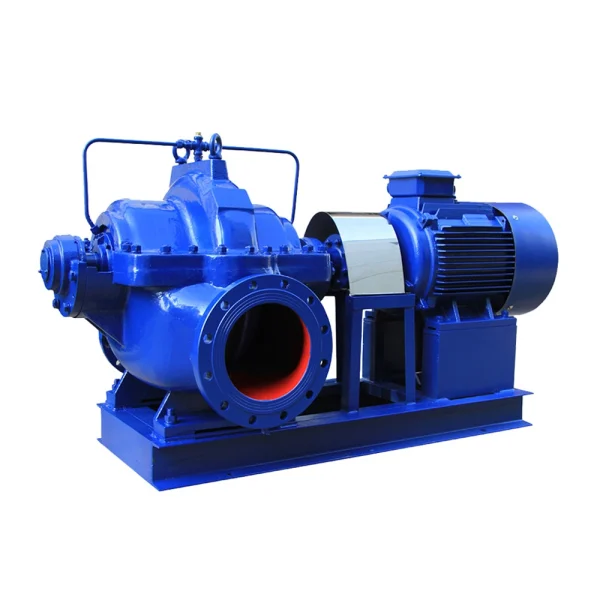
Field data consistently shows that systems with suction lifts exceeding 5 meters experience roughly 30% higher cavitation incidence compared to flooded suction arrangements. This holds true across pump types, including Vertical Multi Stage Centrifugal Pump installations and Split Casing Double Suction Pump configurations.
| Common Cavitation Causes | System Manifestations | Impact on NPSHa |
|---|---|---|
| Excessive Suction Lift | Pump struggles to prime, reduced flow | Decreases |
| Undersized Suction Pipe | High fluid velocity, increased friction | Decreases |
| Clogged Suction Filter | Reduced flow, pressure drop | Decreases |
| High Fluid Temperature | Increased vapor pressure | Decreases |
| Valve Throttling (Suction) | Significant pressure drop | Decreases |
Practical Approaches to Preventing Pump Cavitation
Preventing pump cavitation comes down to maintaining adequate margin between NPSHa and NPSHr across all operating conditions. The challenge lies in accounting for the variables that shift this margin over time.
Accurate NPSH calculation during design sets the foundation. This means working through fluid properties at maximum expected temperature, accounting for actual pipe lengths and fittings rather than idealized layouts, and including realistic estimates for filter pressure drops as they accumulate debris. The safety margin between NPSHa and NPSHr should typically fall between 1.2 and 1.5 times NPSHr, though applications with variable conditions may need more cushion.
Suction line optimization offers the most direct path to increasing NPSHa. Larger pipe diameters reduce velocity and friction losses. Shorter suction runs minimize total head loss. Eliminating unnecessary fittings, particularly elbows close to the pump inlet, improves flow uniformity entering the impeller. These changes often prove more cost-effective than specifying a pump with lower NPSHr.
Operational discipline matters as much as hardware. Keeping pumps within their recommended flow range prevents the extreme conditions that trigger cavitation. Regular filter maintenance maintains suction line capacity. Temperature monitoring catches thermal excursions before they become cavitation events. Facilities that implement systematic NPSH monitoring and maintenance protocols typically see cavitation-related downtime drop by 40% or more compared to reactive approaches.
Advanced hydraulic design in modern pumps like the Single Stage End Suction Volute Pump incorporates CFD optimization that reduces NPSHr while maintaining efficiency. This gives system designers more flexibility in challenging applications where suction conditions are constrained.
How NPSH Calculations Protect Against Pump Cavitation
NPSH quantifies the pressure available at the pump suction above the fluid’s vapor pressure. When NPSHa exceeds NPSHr by an adequate margin, the fluid pressure never drops low enough for vapor bubbles to form. This margin absorbs minor system fluctuations, temperature variations, and the gradual degradation of suction line components.
The calculation requires accurate data on atmospheric pressure, fluid vapor pressure at operating temperature, static head from the fluid surface to the pump centerline, and total friction losses in the suction piping. Each variable carries uncertainty, which is why the safety margin exists. Precise NPSH work, combined with pump performance curve data, ensures stable operation without the efficiency losses and damage that pump cavitation causes.
Recognizing and Addressing Cavitation Damage
Early detection of pump cavitation symptoms limits repair scope and cost. The characteristic sounds come first. Cavitating pumps produce a crackling or rattling noise that operators often describe as pumping gravel. This acoustic signature results from thousands of bubble implosions occurring each second. Vibration increases as the asymmetric bubble collapse creates dynamic forces that shake the pump and connected piping.
Performance degradation follows the physical symptoms. Flow rate and discharge pressure decline even though the pump runs at rated speed. The vapor bubbles disrupt normal flow patterns through the impeller, reducing hydraulic efficiency. Power consumption may increase as the pump works harder to maintain output, or it may decrease if the pump simply moves less fluid.
Visual inspection confirms the diagnosis. Cavitation damage appears as pitting on impeller surfaces, concentrated on the low-pressure side of vanes where bubbles form and collapse. The erosion pattern differs from corrosion or abrasive wear, showing the characteristic rough, spongy texture of material removed by repeated micro-jet impacts.
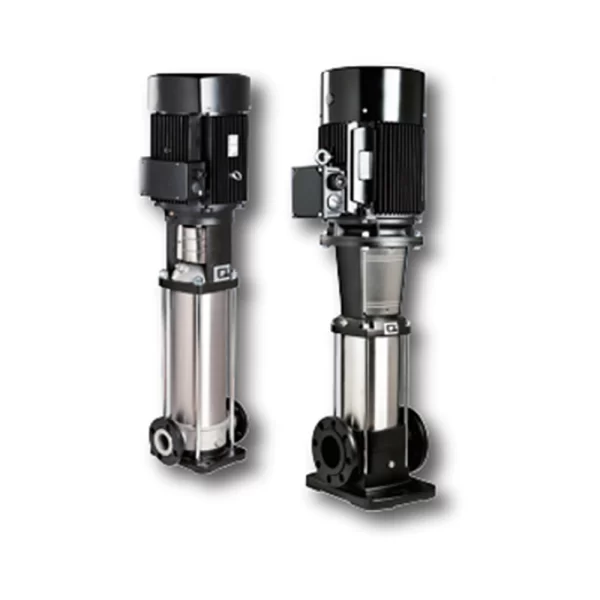
Repair options depend on damage severity. Minor pitting can sometimes be addressed through welding and rebalancing, though this approach has limits. Severely eroded impellers require replacement. Material selection matters here. Stainless steel grades like SS304 or SS316L resist cavitation erosion better than cast iron, which is why they’re standard in Vertical Multi Stage Centrifugal Pump construction. Addressing the root cause alongside the repair prevents recurrence. Facilities that catch and correct pump cavitation within the first month of symptoms typically see repair costs 25% lower than those that delay intervention.
Identifying Pump Cavitation Through Observable Symptoms
The symptoms of pump cavitation cluster into three categories. Audible signs include the distinctive crackling or rattling sound that differs markedly from normal pump operation. Physical signs show up as increased vibration transmitted through the pump housing and connected piping. Performance signs manifest as reduced flow rate, lower discharge pressure, and often increased power consumption as the pump struggles against disrupted flow patterns. Impeller inspection reveals pitting damage concentrated on vane surfaces. Any combination of these symptoms warrants investigation before damage progresses.
The Cost of Ignoring Pump Cavitation
Unaddressed pump cavitation compounds its effects over time. The initial pitting creates surface roughness that disrupts flow patterns, which intensifies local pressure drops, which accelerates bubble formation and collapse. This feedback loop can reduce pump lifespan by 50% or more compared to cavitation-free operation.
Efficiency losses translate directly to operating costs. Vapor bubbles in the impeller passages reduce the pump’s ability to transfer energy to the fluid. A pump operating with moderate cavitation typically shows 10-15% higher energy consumption within a year. This inefficiency persists until the root cause is addressed, accumulating costs that often exceed the expense of proper correction.
The damage extends beyond the pump itself. Increased vibration stresses motor bearings, coupling elements, and pipe supports. Pressure pulsations from bubble collapse can fatigue piping and fittings. The ripple effects of pump cavitation through connected systems multiply the total cost of neglect.
Analysis across various industrial installations shows that total cost of ownership for pumps suffering from unaddressed cavitation runs 2-3 times higher than properly maintained units. This accounts for increased energy consumption, accelerated component replacement, unplanned downtime, and the secondary damage to connected equipment. The economic case for proactive cavitation management is straightforward once you account for all the costs that accumulate when problems go unaddressed.
Partner with Shanghai Yimai for Optimized Pumping Solutions
Ensure the longevity and efficiency of your industrial pumping systems. Shanghai Yimai Industrial Co., Ltd. specializes in high-quality electrical motors, water pumps, and integrated pumping solutions designed to prevent common issues like cavitation. Contact our expert team today for a consultation or to explore our advanced product range that guarantees reliable performance and reduces operational risks. Email: overseas1@yimaipump.com | Phone/WhatsApp: +86 13482295009
FAQ
What is the primary cause of cavitation in centrifugal pumps?
Insufficient Net Positive Suction Head available relative to what the pump requires. When NPSHa drops below NPSHr, fluid pressure falls below vapor pressure at the impeller inlet, and bubbles form. The subsequent collapse of these bubbles causes the erosion damage characteristic of pump cavitation. Maintaining adequate NPSH margin through proper system design and operation prevents the pressure conditions that allow bubbles to form in the first place.
Can pump cavitation be permanently fixed, or is it an ongoing issue?
Cavitation can be eliminated by addressing root causes rather than just repairing damage. This means correcting NPSH deficiencies, fixing piping problems, and ensuring operation within appropriate flow ranges. However, system conditions change over time. Filters clog, temperatures fluctuate, and operational demands shift. Permanent prevention requires ongoing monitoring and maintenance to catch changes before they push the system back into cavitation territory.
How can Shanghai Yimai Industrial Co., Ltd. help prevent pump cavitation in my facility?
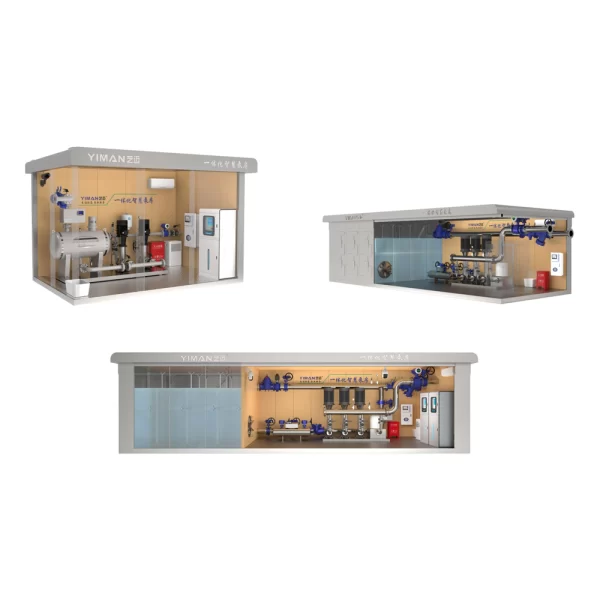
Shanghai Yimai offers pumps engineered for cavitation resistance through optimized hydraulic design and appropriate material selection. Beyond equipment, our technical team provides system design consultation to ensure adequate NPSH margins for your specific application. Solutions like the VFD Controlled Booster Water Supply System maintain stable operating conditions across varying demand, keeping pumps within their optimal operating range where cavitation risk is minimized.