
Pump Seal Types: Mechanical vs Packing for Water Pumps
Water Pump Seals: Mechanical vs Packing Seal Performance Guide
Pump seals fail more often than most operators expect, and when they do, the consequences ripple through entire operations. Fluid loss, pressure drops, unplanned downtime—these problems trace back to one component that rarely gets the attention it deserves until something goes wrong. The choice between mechanical seals and packing seals shapes everything from daily maintenance routines to long-term operating costs. Getting this decision right matters more than most equipment choices you’ll make.
Mechanical Seals Deliver Precision Control in Water Pump Systems
Mechanical seals have become the standard for water pump applications where leakage control matters. The principle is straightforward: two extremely flat surfaces—one rotating with the shaft, one stationary—maintain contact through a thin lubricating film. This film prevents metal-to-metal wear while blocking fluid escape. The precision required is remarkable; seal faces are typically lapped flat to within three light bands (about 0.9 microns).
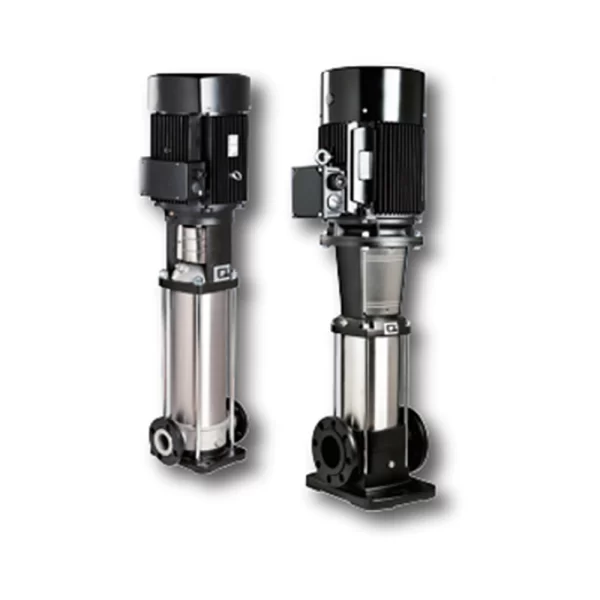
Shanghai Yimai Industrial Co., Ltd. incorporates mechanical seals across our pump range, including the Heat Conducting Oil Pump, Stainless Steel Single Screw Pump, Vertical Multi-Stage Centrifugal Pump, Single Stage In-Line Circulation Pump, and Single Stage End Suction Volute Pump. Each application demands specific seal configurations. Our Heat Conducting Oil Pump handles media temperatures reaching 350°C, which requires seal face materials and elastomers rated for sustained high-temperature exposure. Carbon-silicon carbide combinations work well here because carbon provides self-lubricating properties while silicon carbide resists thermal distortion.
Balanced mechanical seals reduce hydraulic loading on the faces, extending service life in high-pressure applications. Cartridge designs simplify installation by pre-setting the seal components at the factory, eliminating the measurement errors that plague conventional seal installations.
How Mechanical Seals Prevent Leakage in Water Pumps
The sealing action happens at the interface between rotating and stationary faces. A fluid film—typically just 0.25 to 1 micron thick—separates these surfaces during operation. This film provides lubrication and cooling while remaining thin enough to prevent significant fluid escape. Secondary sealing elements like O-rings or bellows handle the static sealing between components and the pump housing. Some leakage occurs, usually as vapor rather than visible liquid, but this controlled loss is necessary for the seal’s thermal management.
Packing Seals Offer Robust Performance for Demanding Conditions
Packing seals predate mechanical seals by centuries, and they persist because they solve problems that newer technology sometimes cannot. The concept involves compressing braided or formed rings of pliable material around the shaft within a stuffing box. Tightening the gland follower squeezes these rings, creating a labyrinth path that restricts fluid flow along the shaft.
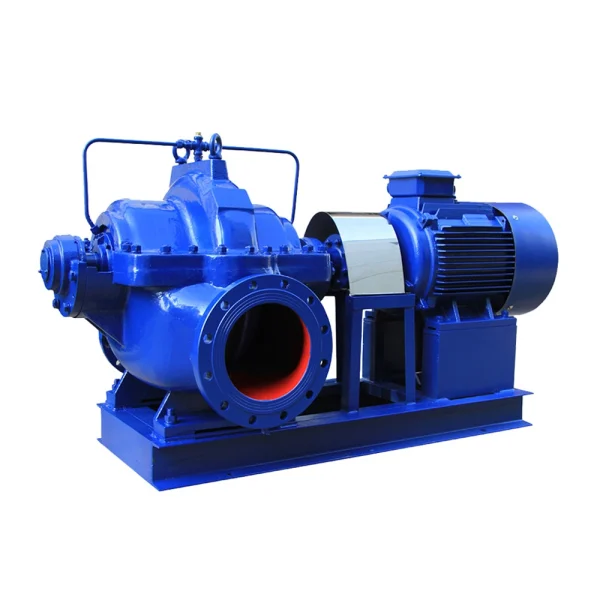
We specify gland packing in products like our Vertical Turbine Fire-Fighting Pump and Split Casing Double Suction Pump. These applications often involve conditions where packing’s tolerance for shaft movement becomes valuable. A pump handling water with suspended solids, for instance, may experience shaft deflection that would destroy a mechanical seal’s precision faces. Packing accommodates this movement while continuing to function.
Material selection drives packing performance. PTFE-impregnated braided packings work well for chemical resistance. Graphite-based packings handle high temperatures. Carbon fiber packings combine strength with flexibility. The right choice depends on the fluid, temperature, and shaft speed.
Why Packing Seals Suit Certain Water Pump Applications
Packing seals make sense when the operating environment works against mechanical seal precision. Older pumps with worn bearings produce shaft runout that exceeds mechanical seal tolerances. Abrasive slurries can score seal faces within weeks, while packing simply wears and gets replaced. The economics shift too—a packing set costs a fraction of a mechanical seal, and any maintenance technician can install it. For intermittent-duty pumps or applications where some visible drip is acceptable, packing remains the practical choice.
Mechanical Seal vs Packing Seal Performance Breakdown
The comparison between these sealing technologies involves tradeoffs that shift depending on what you prioritize. Mechanical seals win on leakage control—a properly functioning unit shows no visible drip. Packing seals require controlled leakage for lubrication and cooling; typically 40-60 drops per minute is considered acceptable for water service.
Energy consumption differences accumulate over continuous operation. Mechanical seals generate less friction because only the thin fluid film separates the faces. Packing seals require compression against the shaft, creating drag that the motor must overcome. Our Vertical Multi Stage Centrifugal Pump and Single Stage End Suction Volute Pump use mechanical seals partly for this reason—the efficiency gains compound over thousands of operating hours.
| Feature | Mechanical Seal | Packing Seal |
|---|---|---|
| Leakage Control | Excellent (minimal to zero visible leakage) | Moderate (controlled leakage is inherent) |
| Maintenance | Low frequency, less labor-intensive | High frequency, more labor-intensive |
| Lifespan | Longer, depending on application and materials | Shorter, requires regular adjustment/replacement |
| Energy Efficiency | Higher (lower friction) | Lower (higher friction) |
| Initial Cost | Higher | Lower |
| Application Suitability | Clean fluids, high pressure/temperature | Abrasive fluids, older pumps, lower pressures |
Mechanical Seal Lifespan Compared to Packing Seal Duration
Mechanical seals routinely last three to five years in clean water service with proper installation. Some installations run a decade without intervention. The variables that shorten this include abrasive particles in the fluid, thermal cycling, cavitation, and shaft misalignment. Packing seals follow a different pattern—they require adjustment every few weeks initially as the material beds in, then periodic tightening as wear progresses. Complete replacement typically happens every six to eighteen months depending on service severity.
Energy Efficiency Comparison for Continuous Pump Operation
The friction difference between seal types translates directly to power consumption. Mechanical seals operate with face contact pressure distributed across a small area, minimized by the lubricating film. Packing seals compress against the full circumference of the shaft along their entire length. Studies have measured power savings of 2-5% when converting from packing to mechanical seals. For a pump running 8,000 hours annually, this efficiency gain often pays back the higher seal cost within two years.
Application-Specific Seal Selection for Water Pump Systems
Fluid characteristics drive seal selection more than any other factor. Clean water with minimal dissolved solids suits mechanical seals well—the faces stay clean, the fluid provides adequate lubrication, and leakage approaches zero. Introduce suspended particles, and the calculation changes. Abrasive solids score seal faces, accelerating wear and eventually causing failure.
Temperature and pressure create their own constraints. Our Vertical Multi Stage Centrifugal Pump handles pressures that demand mechanical seal designs with proper pressure balancing. High-temperature applications require face materials and elastomers rated for the service conditions. Chemical compatibility matters too—some fluids attack specific seal face materials or cause elastomer swelling.
Environmental regulations increasingly favor mechanical seals. Visible leakage from packing seals, even when technically acceptable, draws scrutiny. API 682 provides standardized mechanical seal specifications for refinery and petrochemical service, and these standards influence expectations across other industries. We help clients navigate these requirements, matching seal technology to both operational needs and regulatory expectations.
Installation and Maintenance Practices for Pump Seal Longevity
Mechanical seal installation demands attention to detail that packing installation does not. The seal faces must remain pristine—fingerprints contain oils that can cause localized hot spots. Shaft runout must fall within specification, typically 0.05mm or less. The seal chamber must be clean and properly dimensioned. Cartridge seals reduce installation errors by pre-assembling and pre-setting the components, but they still require proper handling.
Packing installation follows a different rhythm. Rings should be installed one at a time, with joints staggered 90 degrees between successive rings. Initial gland tightening should be light—just enough to control leakage while allowing the packing to bed in. Over the following hours and days, gradual tightening brings leakage to acceptable levels. Rushing this process by over-tightening causes the packing to burn and score the shaft.
Preventive maintenance differs between seal types. Mechanical seals benefit from monitoring—vibration analysis, temperature trending, and leak detection identify problems before catastrophic failure. Packing seals require hands-on attention: checking leakage rates, adjusting gland pressure, and replacing worn rings before they damage the shaft.
Partner with Shanghai Yimai for Advanced Sealing Solutions
Shanghai Yimai Industrial Co., Ltd. specializes in advanced water pump systems and high-performance sealing solutions. With decades of expertise in electrical motors, water pumps, and integrated water treatment systems, we provide robust, reliable, and energy-efficient components tailored to your industrial needs. Contact us today at overseas1@yimaipump.com or +86 13482295009 for expert consultation on optimizing your pump sealing strategy and enhancing operational efficiency. Let us help you achieve superior performance and reduce maintenance costs.
Frequently Asked Questions about Pump Seal Types
When Do Packing Seals Make More Sense Than Mechanical Seals
Packing seals earn their place in applications where mechanical seal precision becomes a liability. Older pumps with worn bearings produce shaft movement that destroys mechanical seal faces. Slurry pumps handling abrasive particles benefit from packing’s replaceability—scoring a set of packing rings costs far less than replacing precision-lapped seal faces. Fire pumps that sit idle for months, then start suddenly under emergency conditions, often use packing because it tolerates the thermal shock better. Budget constraints matter too; when a facility operates dozens of pumps and some controlled leakage is acceptable, packing’s lower cost makes economic sense.
What Determines How Long Pump Seals Last
Installation quality affects seal life more than most operators realize. A mechanical seal installed with shaft runout exceeding specification may fail within months regardless of its rated capability. Operating conditions matter next—temperature excursions, pressure spikes, and dry running all accelerate wear. Fluid cleanliness plays a major role; particles as small as 5 microns can damage seal faces over time. For packing seals, proper break-in procedure and consistent gland adjustment extend service intervals significantly. Both seal types benefit from stable operating conditions and regular monitoring.
Can Existing Pumps Convert from Packing to Mechanical Seals
Conversion is common and usually straightforward, though it requires verification of several factors. The stuffing box must provide adequate depth and bore diameter for the mechanical seal. Shaft diameter and surface finish must meet seal specifications. Some pumps need stuffing box adapters or require machining to accommodate mechanical seals. Conversion kits exist for many popular pump models. The investment typically pays back through reduced maintenance labor, lower leakage losses, and improved energy efficiency. We recommend consulting with our engineering team to confirm compatibility and select the appropriate seal configuration for your specific pump models.