Sewage Elevating Systems: Reliable Drainage for Basements
Basements, subway tunnels, and underground parking structures share a common problem that surface-level buildings never face: wastewater has nowhere to go. Gravity works against you when you’re below the sewer main. I’ve seen what happens when these systems fail—flooded mechanical rooms, contaminated spaces, and operations grinding to a halt. Sewage elevating systems exist precisely for these situations, mechanically lifting wastewater to reach municipal lines that gravity alone cannot access.
How Sewage Elevating Systems Actually Work
Sewage elevating systems function as the mechanical bridge between underground spaces and municipal sewer infrastructure. The operating principle is straightforward: wastewater collects in a holding tank, and when accumulation reaches a set threshold, pumps activate to push that waste upward to the main sewer line. This bypasses the fundamental limitation of gravity sewer systems that simply cannot serve spaces below their elevation.
The pumping mechanism relies on submersible pump technology, with units operating directly within the wastewater itself. This submerged configuration delivers efficient hydraulic performance while keeping noise levels manageable—a practical consideration for residential basement installations or commercial spaces where occupants work nearby. Level sensors continuously monitor tank contents and trigger automatic operation when wastewater reaches predetermined depths. The system cycles on, evacuates the tank, then returns to standby without manual intervention.
What makes these lift stations genuinely valuable is their role in flood prevention. A properly sized sewage elevating system intercepts basement sewage before it backs up into living or working spaces. The alternative—sewage overflow in an occupied underground area—creates health hazards, property damage, and cleanup costs that dwarf the investment in proper wastewater management equipment.
Components That Determine System Performance
The reliability of any sewage elevating system traces directly to its component quality and how those components interact. Pump selection matters enormously because different wastewater streams demand different handling capabilities.
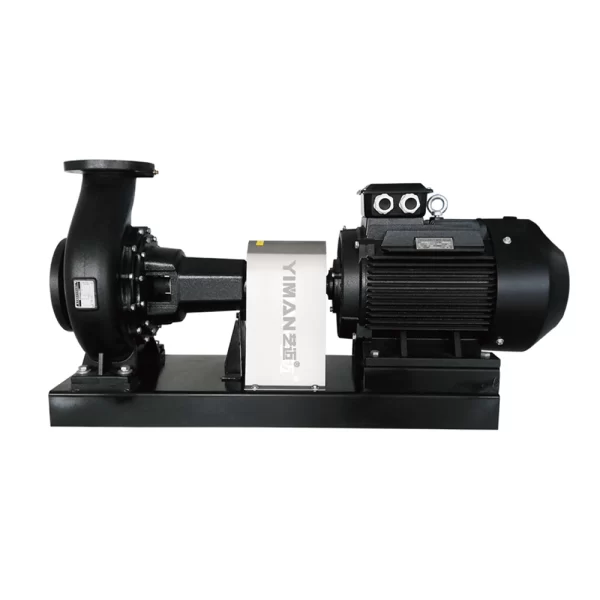
Grinder pumps incorporate cutting mechanisms that reduce solids to fine slurry before discharge. This maceration prevents the blockages that would otherwise plague narrow discharge lines carrying raw sewage. Effluent pumps handle liquids containing smaller suspended particles, typically downstream of primary screening where the heavy lifting has already occurred. Sump pumps serve a different purpose entirely—clear water removal from groundwater intrusion or storm drainage rather than sanitary waste.
Control panels house the operational intelligence governing system behavior. Modern control logic coordinates pump cycling, manages alarm systems, and can incorporate variable speed drives that modulate pump output based on actual inflow rates rather than running at fixed capacity regardless of demand. This adaptive approach reduces energy consumption measurably over systems that simply run pumps at full speed whenever activated.
Pressure sensors and remote monitoring capabilities extend operational oversight beyond the physical installation site. Operators receive alerts for high water conditions, pump malfunctions, or power interruptions without requiring constant on-site presence. For facilities managing multiple underground locations, this centralized visibility proves essential.
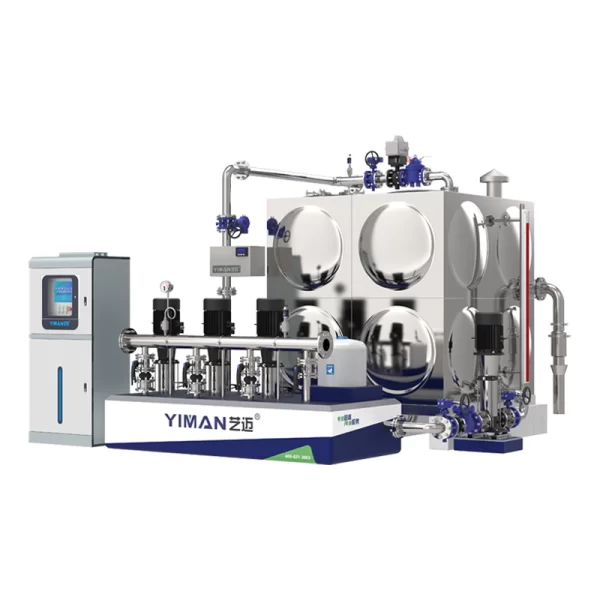
Tank construction directly affects service life in corrosive wastewater environments. Collection tanks fabricated from fiberglass or engineered plastics resist the chemical attack that degrades metal alternatives. Heavy-duty construction throughout the system—from tank walls to pump housings—determines whether equipment survives years of continuous operation or requires premature replacement. Pre-assembled units and integrated pump station configurations from manufacturers like Shanghai Yimai Industrial Co., Ltd. reduce field installation complexity while ensuring component compatibility.
What Makes a Sewage Elevating System Reliable
Reliability in sewage elevating systems comes from component redundancy and material selection matched to operating conditions. The collection tanks provide temporary storage capacity that buffers flow variations. High-performance pump types—whether grinder pumps for raw waste or effluent pumps for pre-treated flows—must match the actual solids loading they’ll encounter.
Level sensors require accuracy and durability since they trigger every pump cycle the system performs. Control panels coordinate these inputs through programmed control logic, often incorporating variable speed drives for demand-responsive operation. Check valves prevent backflow that would otherwise allow discharged waste to return when pumps stop. Tank materials and piping selections prioritize corrosion resistance because wastewater chemistry attacks vulnerable materials relentlessly.
| Pump Type | Primary Application | Solids Handling | Max Flow Rate (m³/h) | Typical Head (m) |
|---|---|---|---|---|
| Grinder Pump | Raw sewage with fibrous materials | High | Up to 50 | Up to 70 |
| Effluent Pump | Screened wastewater, greywater | Medium | Up to 200 | Up to 50 |
| Sump Pump | Clear water, groundwater, storm water | Low | Up to 100 | Up to 15 |
Sizing and Selection for Specific Underground Applications
System design begins with understanding what the sewage elevating system must actually handle. Wastewater volume projections drive initial sizing, but the character of that waste matters equally. A residential basement generating domestic sewage presents different challenges than underground parking facilities managing primarily drainage water with occasional contamination.
Flow rate and head pressure calculations establish the hydraulic requirements that pump capacity must satisfy. Head pressure accounts for vertical lift distance plus friction losses through piping—underestimate either parameter and the system struggles to move waste effectively. These calculations remain application specific because installation geometry varies dramatically between projects.
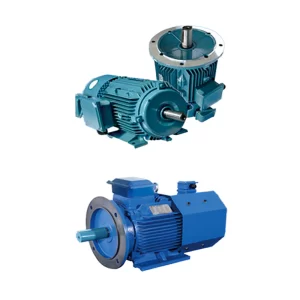
Pump materials selection responds to wastewater chemistry. Corrosive industrial effluents demand different metallurgy than residential sewage. Horsepower ratings must provide adequate power margins without excessive oversizing that wastes energy during normal operation. Variable speed drives paired with efficient motors—IE3 Three Phase Electric Motor or IE4 Three Phase Electric Motor options—optimize power consumption across varying load conditions rather than running at fixed speed regardless of actual demand.
Regulatory compliance shapes design parameters that local codes mandate. Setback distances, venting requirements, alarm provisions, and backup power specifications vary by jurisdiction. Cost analysis balances equipment investment against operational expenses over the system’s expected service life. Custom solutions address site-specific constraints that standard configurations cannot accommodate—unusual pit depths, limited access for maintenance, or integration with existing building systems.
Matching Pump Selection to Underground Drainage Requirements
Selecting the appropriate sewage pump requires systematic evaluation of operating conditions. Wastewater volume and solids content determine the necessary solids handling capability—raw sewage with sanitary products and fibrous materials demands grinder pumps, while pre-screened effluent flows adequately through standard effluent pumps.
Head pressure calculations must account for total vertical lift plus dynamic losses through the discharge piping system. Flow rate requirements establish minimum pump capacity. Pump materials require corrosion resistance appropriate to the specific wastewater chemistry encountered. The selection process remains application specific—residential basement installations, commercial applications, and underground parking facilities each present distinct operating profiles that influence optimal pump configuration.
Installation Quality Determines Long-Term Performance
The service life of any sewage elevating system depends heavily on installation execution. Professional installation ensures proper alignment, adequate support, correct electrical connections, and appropriate venting—details that determine whether equipment operates reliably or develops problems that shorten its useful life.
Expert installation teams understand code compliance requirements that vary between jurisdictions. Incorrect installation creates immediate problems and can void warranty validity on equipment that otherwise carries manufacturer support. Safety standards govern electrical work in wet environments, and qualified installers follow these protocols consistently.
Preventative maintenance extends system lifespan beyond what neglected equipment achieves. Service intervals should include routine inspections, tank cleaning to remove accumulated sediment, and pump performance verification. Annual professional servicing represents a reasonable baseline for most installations, with more frequent attention warranted for high-usage commercial applications.
Odor control requires attention to tank sealing and ventilation design. Properly configured systems contain odors within the collection tanks and exhaust them through appropriate venting rather than allowing release into occupied spaces. Grease traps upstream of sewage elevating systems in commercial kitchen applications prevent the accumulation that otherwise coats pump components and restricts flow passages.
Backwater valves provide additional protection against municipal sewer line surcharges that would otherwise force sewage backward through the system. Troubleshooting guidance helps facility operators address minor issues without requiring emergency service calls. Spare parts availability minimizes downtime when components require replacement, maintaining system reliability through rapid restoration of failed elements.
Why Installation Expertise Matters for Basement Sewage Systems
Professional installation proves critical for basement sewage systems because errors create consequences that persist throughout the system’s operational life. Improper installation produces leaks at connections, pump failures from misalignment, and electrical hazards in wet environments where safety margins cannot be compromised.
Qualified professionals ensure code compliance with local regulations and safety standards that protect both equipment and occupants. This expertise also preserves warranty validity—manufacturers reasonably decline coverage for equipment damaged by improper installation practices.
Expert installation optimizes hydraulic performance by ensuring correct pipe sizing, appropriate fitting selection, and proper pump positioning. These details affect energy consumption and system lifespan in ways that compound over years of operation. The investment in professional installation delivers returns through reliable underground drainage performance and reduced lifetime maintenance costs.
| Maintenance Task | Frequency | Key Checkpoints |
|---|---|---|
| Visual Inspection | Monthly | Check for leaks, unusual noises, odors, alarm status |
| Pump & Motor Check | Annually | Verify current draw, vibration, seal integrity |
| Collection Tanks Cleaning | Annually | Remove sediment, debris, check for corrosion |
| Level Sensors & Floats | Annually | Clean, calibrate, ensure free movement |
| Check Valves & Piping | Annually | Inspect for blockages, leaks, proper function |
| Electrical & Control Panels | Bi-annually | Inspect wiring, connections, alarm systems |
Solving the Persistent Problems of Underground Wastewater
Underground wastewater management presents challenges that surface installations never encounter. Odor mitigation ranks among the most common concerns, particularly for basement sewage systems in occupied buildings. Sealed collection tanks combined with proper ventilation systems—sometimes incorporating activated carbon filtration—contain and neutralize odors before they reach occupied spaces.
Blockage prevention requires matching pump capabilities to actual waste characteristics. Grinder pumps handle high-solids applications where standard pumps would clog repeatedly. Screens and grease traps positioned upstream of the sewage elevating system intercept materials that would otherwise accumulate in collection tanks or foul pump mechanisms.
Power outage solutions address the vulnerability that affects any electrically-powered system. Emergency backup provisions—generators, battery systems, or automatic transfer switches—maintain pump operation during electrical failures that would otherwise allow wastewater accumulation to reach overflow conditions. Advanced alarm systems provide immediate notification of power interruptions, giving operators time to respond before backup capacity exhausts.
Specific industrial applications require specialized treatment. An Oil Water Separator Sewage Elevator System prevents petroleum products and grease from entering municipal systems where they would cause compliance violations and treatment plant disruption. These integrated approaches to wastewater treatment ensure that discharge meets regulatory requirements while protecting downstream infrastructure.
Working with Shanghai Yimai on Wastewater Infrastructure
Shanghai Yimai Industrial Co., Ltd. brings manufacturing expertise in electrical motors and water pumps to sewage elevating system applications. Our Integrated Room Type Pump Station configurations and comprehensive wastewater solutions address the full range of underground drainage challenges—from residential basements to demanding commercial and industrial installations. Contact our team for consultation on your specific requirements. Email: overseas1@yimaipump.com, Phone/WhatsApp: +86 13482295009.
Frequently Asked Questions About Sewage Elevating Systems
What problems does basement sewage disposal typically create?
Basement sewage disposal struggles against gravity limitations that make conventional drainage impossible. Without proper sewage elevating systems, these spaces face flooding risk, persistent odors from stagnant waste, and blockages that back up into occupied areas. Effective solutions use submersible pump technology and appropriately sized collection tanks to move wastewater reliably to municipal sewer connections above the basement level.
How frequently should sewage elevating systems receive professional service?
Annual professional inspection and preventative maintenance represents the baseline recommendation for most sewage elevating system installations. High-usage commercial applications benefit from more frequent attention—quarterly inspections catch developing problems before they cause failures. This proactive approach to maintenance extends system lifespan significantly while maintaining the system efficiency that keeps operating costs predictable.
Can sewage lifting stations process commercial and industrial wastewater?
Specialized lift stations handle commercial and industrial wastewater streams that exceed residential characteristics. Higher solids loading, grease content, or specific chemical compositions require equipment configured for those conditions. Grinder pumps process challenging waste streams, while Oil Water Separator Sewage Elevator System configurations address petroleum contamination. Shanghai Yimai provides sewage elevating system solutions customized for demanding commercial applications.
What sewage elevating system configurations does Shanghai Yimai manufacture?
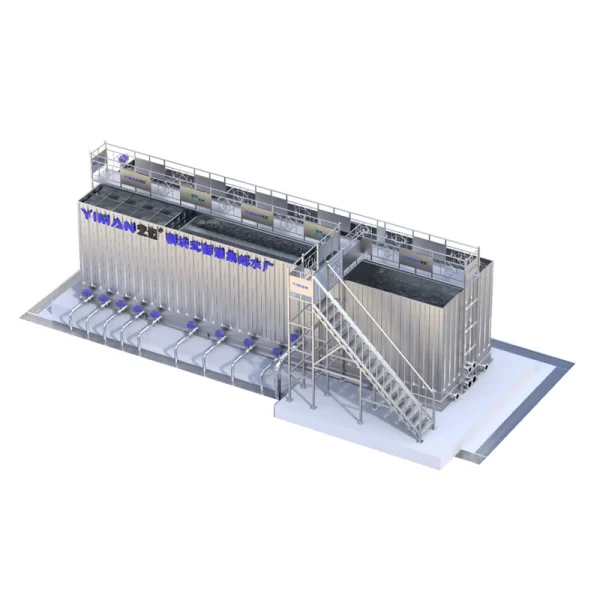
Shanghai Yimai Industrial Co., Ltd. produces Prefabricated Pump Station and Modular Integrated Water Plant configurations alongside individual sewage elevating system components. Our manufacturing integrates high-quality electrical motors and water pumps designed for residential, commercial, and industrial underground drainage applications. Each system configuration addresses specific operational requirements while maintaining the reliability standards our customers expect.
How does Shanghai Yimai ensure equipment durability and operational efficiency?
Shanghai Yimai builds sewage elevating systems using heavy-duty construction methods and corrosion resistance materials selected for wastewater service conditions. Advanced submersible pump technology, precise control panels, and quality motor manufacturing—including IE3 Three Phase Electric Motor and IE4 Three Phase Electric Motor options—deliver system efficiency that reduces operating costs. These design priorities produce equipment with extended system lifespan and minimal maintenance requirements.
If you’re interested, check out these related articles:
Waste Food Treatment System Redefining Resource Recycling Through Innovation
Vertical Turbine Fire Fighting Pump Ensuring Uncompromised Safety