
Shredder Blade Wear: Causes and Prevention Strategies
Choosing the right shredder and staying on top of maintenance pays off in efficiency and costs. Blade wear shows up more often than expected and it cuts straight into performance and margins. We’ve seen that when teams understand why blades degrade and act before problems snowball, service life stretches noticeably. Output stays consistent, downtime shrinks, and equipment investment works harder. We will explore these factors to help you maximize your shredder’s operational effectiveness.
Understanding the Challenge of Shredder Blade Wear
What is Blade Wear
Blade wear is the gradual degradation of a shredder’s cutting edges and surfaces caused by abrasive contact with materials, impact forces, and fatigue during operation. As edges dull and surfaces scar, effectiveness drops, shredding efficiency declines, and energy consumption climbs.
Impact on Shredder Performance
Worn blades lower processing capacity and compromise output quality. Maintenance intervals get shorter, driving up operational costs and downtime. If wear becomes severe, damage can spread to other shredder components, resulting in more involved and costly repairs.
Uncovering the Root Causes of Blade Degradation
Material Properties and Feedstock
The characteristics of the material being shredded strongly influence blade wear. Abrasive materials, such as construction debris or certain industrial wastes, accelerate wear due to friction. Hard or dense materials, like metals, create higher impact forces that can cause chipping or cracking. Inconsistent feedstock with unexpected hard objects also leads to premature blade damage.
Operational Factors
Improper operational parameters are common drivers of blade degradation. Excessive feed rates overload the shredder and increase stress on the blades. Incorrect rotor speeds or poorly maintained clearances produce uneven wear patterns. Running the shredder beyond its design capacity shortens blade life.
Implementing Effective Prevention and Maintenance Strategies
Regular Maintenance Practices
A disciplined maintenance schedule extends blade lifespan. Conduct routine inspections for wear, damage, or misalignment. Keep cutting areas clean to prevent buildup that worsens wear. Lubricate moving parts to limit friction and heat.
We recommend regular sharpening or replacement of blades based on wear patterns. This proactive approach maintains cutting efficiency and prevents further damage. For detailed insights into maintenance, consider our guide on 《Double Shaft Shredder Unmatched Durability for Tough Material Size Reduction》.
Optimizing Blade Material and Design
Match blade material and design to the application. High-alloy steels or tungsten carbide inserts provide superior wear resistance for abrasive materials. Blade geometry, including tooth profile and cutting angle, can be tuned to the feedstock to improve cutting efficiency and reduce stress.
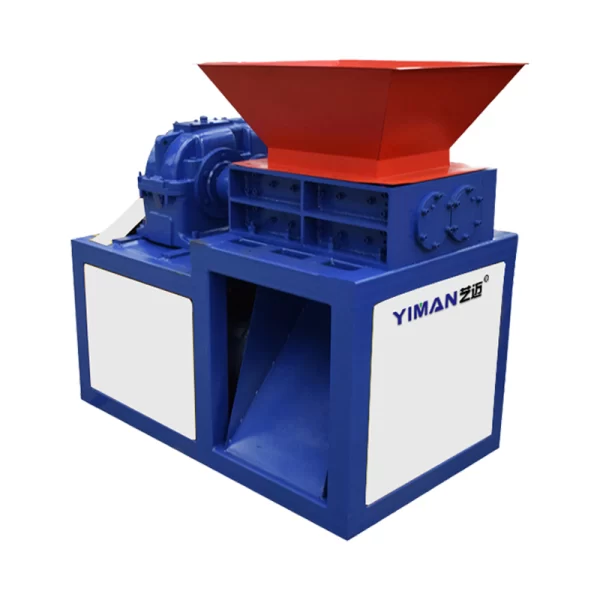
We offer a range of Double Shaft Shredder Machine designed with advanced materials for extended durability.
Smart Operational Adjustments
Tuning operational parameters helps mitigate blade wear. Maintain optimal feed rates to prevent overloading and reduce impact stress. Monitor motor current and vibration to flag issues before they escalate. Use gradual start-up and shut-down procedures to minimize blade stress.
Realizing the Benefits of Extended Blade Lifespan
Cost Savings and ROI
Extending blade lifespan translates into measurable savings. Fewer blade changeouts reduce material spend and labor tied to replacements. Less downtime lifts productivity and improves overall return on investment for the shredder system.
Enhanced Performance and Reliability
Longer-lasting blades preserve shredding performance, keeping output quality and efficiency steady. Reliability improves, unplanned stoppages drop, and operations become more predictable. A well-maintained shredder with durable blades supports a stable, productive waste processing line.
Contact Us for Advanced Shredding Solutions
We specialize in providing high-performance shredding solutions tailored to various industrial needs. Our expertise in material science and operational optimization ensures you receive the most durable and efficient equipment. Contact us today to discuss your specific requirements and learn how our products can enhance your operations.
Email: overseas1@yimaipump.com
Phone/WhatsApp: +86 13482295009
FAQs
What types of materials cause the most blade wear in shredders?
Abrasive materials like concrete, glass, and certain plastics significantly accelerate blade wear due to their hardness and friction properties. Metals, especially thick or high-strength alloys, can cause impact damage, leading to chipping or cracking of the blades. Consistent exposure to these materials necessitates more robust blade designs and materials.
How often should shredder blades be inspected or replaced?
The inspection and replacement frequency for shredder blades depends on the material being processed, operational hours, and the specific blade material. For demanding applications, daily visual checks are advisable, with detailed inspections weekly or monthly. Replacement typically occurs when cutting efficiency noticeably declines or when visual damage is evident.
Can blade resharpening extend their life, and is it cost-effective?
Yes, blade resharpening can significantly extend their operational life, making it a cost-effective maintenance strategy. Resharpening restores the cutting edge, improving efficiency and reducing power consumption. However, the number of times a blade can be resharpened depends on its original design, material thickness, and the extent of wear or damage.
What role does blade material play in preventing wear?
Blade material is crucial in preventing wear. High-quality alloy steels, such as D2 or A8, offer excellent wear resistance and toughness. For extreme applications, specialized materials like tungsten carbide or ceramic composites provide superior hardness and abrasion resistance, significantly extending blade life under harsh conditions.
How does proper shredder operation affect blade longevity?
Proper shredder operation directly impacts blade longevity by minimizing unnecessary stress and wear. Maintaining correct feed rates, avoiding overloading, and ensuring consistent material flow prevent excessive impact and friction. Adhering to manufacturer guidelines for speed and torque also optimizes blade performance and extends their service life.