Tank-Type vs Tankless Booster Systems: Selection Insights
Water pressure problems tend to show up at the worst moments. A shower that loses force when someone runs the kitchen tap. An irrigation system that can’t reach the far end of a field. A high-rise building where the top floors get a trickle while the ground floor runs fine. These aren’t just inconveniences — they signal a mismatch between what the plumbing delivers and what the building actually needs. Sorting out which booster system fits a given situation means understanding how each type works, where it performs best, and what trade-offs come with the choice.
How Tank-Type Booster Systems Actually Work
Tank-type booster systems store pressurized water in a dedicated vessel. The pump fills this tank until the internal pressure hits a preset upper limit, then shuts off. When someone opens a faucet or a fixture calls for water, the system draws from that stored reserve. The pump stays idle until pressure drops to a lower threshold, at which point it kicks back on to refill the tank.
This cycling pattern — fill, rest, draw, refill — means the pump doesn’t run continuously. For applications with intermittent demand, that translates to less mechanical wear over time. The tank itself acts as a buffer, absorbing small fluctuations in usage without forcing the pump to react to every minor change. 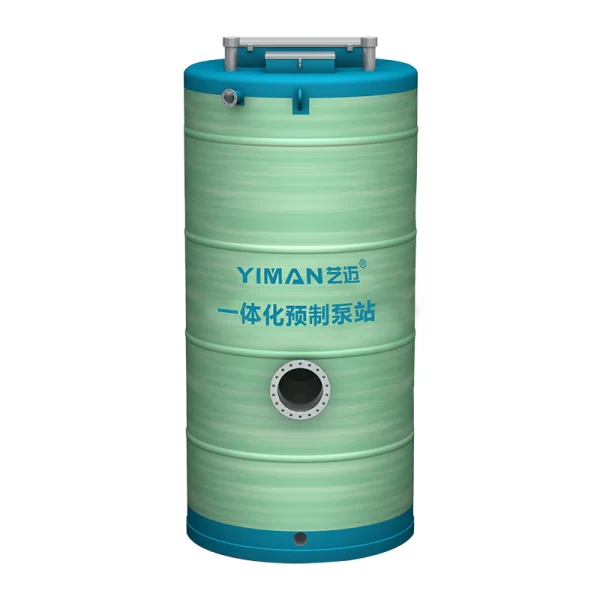
The approach has been around for decades, and the reliability record reflects that. Farms, large residential properties, and facilities with variable usage patterns have long relied on this configuration precisely because it handles uneven demand without constant pump activation.
Where Tank-Type Boosters Make the Most Sense
The reduced cycling that defines tank-type systems directly affects maintenance costs and equipment longevity. Pumps that start and stop less frequently tend to last longer, and the mechanical simplicity of the design means fewer components that can fail.
Agricultural irrigation represents a natural fit. Fields need consistent pressure over extended watering periods, and the tank provides a reserve that smooths out the delivery. Large residential properties with multiple bathrooms, outdoor fixtures, and fluctuating occupancy benefit from the same buffering effect — the system can handle a burst of simultaneous use without the pump scrambling to keep up.
Cost also factors in. Tank-type systems typically carry lower upfront prices than their tankless counterparts, making them attractive for projects where budget constraints matter and the application doesn’t demand the precision of variable-speed control.
The Shift to Tankless Booster Technology
Tankless booster systems take a fundamentally different approach. Instead of storing pressurized water, they respond to demand in real time. When flow begins — someone turns on a tap, a sprinkler system activates — the pump starts immediately and adjusts its speed to maintain a target pressure.
The technology enabling this is the variable speed drive, sometimes called a VFD or VSD. Rather than running at full power or not at all, the pump modulates its output to match what the system actually needs at any given moment. The result is constant pressure regardless of how many fixtures are drawing water simultaneously.
Shanghai Yimai Industrial Co., Ltd. builds this capability into systems like the VFD Controlled Booster System and the Intelligent Digital Drived VFD Booster System. The smart pump technology involved goes beyond simple on-off control, using sensors and controllers to maintain precise pressure targets.
Why Constant Pressure Changes the User Experience
The practical difference shows up immediately in daily use. With a tank-type system, pressure can fluctuate slightly as the tank drains and refills. With a properly configured tankless system, pressure stays locked at the setpoint. Someone taking a shower won’t notice when the washing machine starts its fill cycle.
Energy consumption drops as well. A pump running at 60% capacity to meet current demand uses significantly less power than one cycling between full output and complete shutdown. Over years of operation, that efficiency gap adds up to meaningful cost savings.
The physical footprint matters too. Eliminating the pressure tank frees up space — a real consideration in urban installations, mechanical rooms with limited square footage, or multi-story buildings where every inch of usable area has value. The quieter operation that comes with variable-speed control makes these systems easier to place near occupied spaces without noise complaints.
Comparing the Two Approaches Side by Side
Choosing between tank-type and tankless systems requires weighing several factors against the specific demands of the installation. Neither design is universally superior — each excels under different conditions.
| Feature | Tank-Type Booster Systems | Tankless Booster Systems (VSD) |
|---|---|---|
| Initial Cost | Generally lower | Potentially higher |
| Energy Efficiency | Moderate (pump cycles less) | High (on-demand, variable speed) |
| Space Requirement | Requires significant space for tank | Compact, space-saving design |
| Pressure Stability | Good (buffered by tank) | Excellent (constant pressure) |
| Maintenance | Tank inspection, air charge checks | Filter cleaning, electronic checks |
| Noise Levels | Intermittent, louder pump starts | Continuous, generally quieter |
| System Longevity | Good (reduced pump cycling) | Excellent (optimized pump operation) |
The energy efficiency advantage of tankless systems like the VFD Controlled Booster System becomes more pronounced in applications with variable demand patterns. Buildings where water usage fluctuates throughout the day see the greatest benefit from on-demand operation.
What Actually Determines the Right Choice
Property size sets the baseline. A small single-family home has different requirements than a commercial complex or an agricultural operation spanning multiple acres. But size alone doesn’t dictate the answer — usage patterns matter just as much.
A facility with steady, predictable demand might not need the precision of variable-speed control. One with wildly fluctuating usage — a hotel where occupancy swings from 20% to 100%, for instance — will likely benefit from the responsive adjustment that tankless systems provide.
Budget considerations extend beyond the purchase price. A lower upfront cost can be offset by higher operating expenses over time, particularly in applications where energy efficiency makes a significant difference. Future expansion plans also factor in — a system sized for current needs may not accommodate growth without modification.
Accurate water demand assessment prevents both undersizing and oversizing. An undersized system can’t meet peak demand; an oversized one wastes capital and may operate inefficiently. Shanghai Yimai Industrial Co., Ltd. provides detailed guidance on pump sizing and system configuration to match equipment to actual requirements. 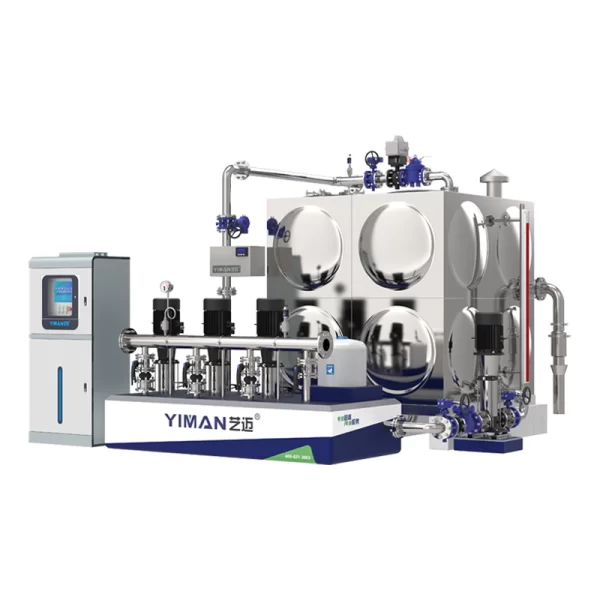
Getting Installation and Maintenance Right
The best-designed booster system still depends on proper installation and ongoing care to deliver its full potential. Tank-type systems need adequate space for the pressure vessel and appropriate plumbing connections to integrate the tank into the supply line. The air charge inside the tank requires periodic checking — if it drops too low, the pump cycles more frequently than it should.
Tankless systems offer more flexibility in placement due to their compact size, but the electronic controls and variable-speed drives introduce different maintenance considerations. Filter cleaning prevents debris from affecting performance, and periodic inspection of the pump and drive components catches wear before it causes failure.
Shanghai Yimai Industrial Co., Ltd. supports both system types with professional installation services and warranty coverage. The goal is long-term reliability, not just a working system on day one.
Working with Shanghai Yimai
For projects requiring water booster systems — whether tank-type, tankless, or a combination — Shanghai Yimai Industrial Co., Ltd. brings manufacturing expertise and application knowledge to the selection process. From initial consultation through installation and ongoing support, the focus stays on matching equipment to actual needs.
Contact the team to discuss specific requirements and explore how advanced booster systems can address water pressure challenges across residential, commercial, and industrial applications.
Email: overseas1@yimaipump.com | Phone/WhatsApp: +86 13482295009
Frequently Asked Questions About Water Booster Systems
What are the key differences in installation for tank-type vs. tankless booster systems?
Tank-type systems demand more floor space to accommodate the pressure vessel, and the plumbing work tends to be more involved since the tank needs proper integration into the supply line. Tankless systems, particularly those with variable speed drives, take up considerably less room and connect more directly to existing plumbing. That compact footprint makes them practical for mechanical rooms where space is tight. Shanghai Yimai Industrial Co., Ltd. provides installation documentation and technical support for both configurations.
How does a booster pump system improve water pressure in a multi-story building?
Water loses pressure as it travels upward against gravity and through pipe friction. By the time it reaches upper floors, the pressure at the street level has dropped substantially. A booster pump system actively increases that pressure and maintains it throughout the building, ensuring fixtures on the top floor receive the same flow as those at ground level. Yimai’s integrated booster water systems are engineered specifically for multi-story applications where consistent delivery across all floors is essential.
Are tankless booster systems more energy-efficient than tank-type systems?
In most applications, yes. Tankless systems with variable speed drives only run when water is actually being used, and they adjust their output to match demand rather than operating at full capacity regardless of need. A pump running at partial speed consumes less power than one cycling between full output and complete shutdown. Tank-type systems can still be efficient when properly sized, but the on-demand operation of VSD-equipped tankless systems typically delivers lower energy costs over the system’s lifespan. Yimai’s VSD booster systems are designed with this efficiency advantage in mind.
Which booster system is best for my home?
The answer depends on how your household actually uses water. Family size, the number of bathrooms, existing plumbing conditions, and whether demand tends to be steady or comes in bursts all influence the choice. Smaller homes with consistent usage often do well with compact tankless systems that maintain constant pressure. Larger properties or those with irregular demand patterns may benefit from the buffering capacity a tank provides. Yimai’s residential booster pumps cover both approaches, and the team can help match the right system to your specific situation.
What maintenance is required for a tankless water booster system?
Tankless systems generally need less hands-on attention than tank-type units. Regular inspection of the pump for wear remains important, and filters should be cleaned periodically to prevent buildup that restricts flow. The electronic controls and variable speed drive components benefit from occasional checks to confirm proper operation. These straightforward maintenance tasks keep the system running efficiently and extend its service life. Yimai’s VSD booster systems are designed to minimize maintenance requirements while maintaining reliable performance.