Understanding Municipal Solid Waste Pre-Treatment Methods
Managing municipal solid waste (MSW) well takes more than perseverance; it takes planning that starts early. We’ve found real efficiency begins long before disposal or recovery. Pre-treatment turns heterogeneous waste into a manageable, higher-value resource. Those first steps set up downstream processes to work cleaner and more cost-effectively while meeting environmental requirements. Here, we walk through pre-treatment technologies and how they slot into sustainable waste management systems.
Defining Municipal Solid Waste Pre-Treatment and Its Critical Role in Modern Waste Management
Municipal Solid Waste (MSW) pre-treatment involves a series of physical, chemical, or biological processes applied to mixed waste before its final disposal or conversion. These processes aim to alter the waste’s characteristics, making it more suitable for subsequent stages such as recycling, composting, incineration, or landfilling. We understand that effective pre-treatment is not merely an optional step but a fundamental component of modern, sustainable waste management strategies. Without it, downstream processes face significant inefficiencies, higher operational costs, and reduced environmental benefits. For instance, removing inert materials before incineration improves combustion efficiency and reduces ash content. Similarly, separating organics before composting ensures a higher quality end-product.
What is Municipal Solid Waste (MSW) Pre-Treatment and Why is it Essential?
MSW pre-treatment encompasses mechanical sorting, size reduction, moisture content adjustment, and removal of hazardous or non-processable components. This initial processing prepares waste for optimized resource recovery and environmentally sound disposal. It is essential because raw MSW is highly heterogeneous, containing a mix of organic matter, recyclables, inert materials, and potentially hazardous items. Processing this mixed waste directly is inefficient and often leads to suboptimal outcomes. For example, landfills fill up faster with unprocessed waste, and incinerators struggle with inconsistent fuel quality. Pre-treatment facilitates the recovery of valuable materials, reduces the volume requiring disposal, and improves the overall efficiency and safety of waste management operations.
The Environmental and Economic Imperatives Driving Pre-Treatment Adoption
The adoption of MSW pre-treatment is driven by compelling environmental and economic factors. Environmentally, pre-treatment reduces the volume of waste sent to landfills, conserving valuable land resources. It also minimizes greenhouse gas emissions from decomposing organic matter in landfills and prevents the leaching of harmful substances into soil and groundwater. Economically, pre-treatment unlocks the value embedded in waste by recovering recyclable materials such as plastics, metals, and paper. These recovered materials can be sold, generating revenue and reducing the demand for virgin resources. Furthermore, preparing waste for energy recovery processes, such as refuse-derived fuel (RDF) production, creates a consistent energy source, reducing reliance on fossil fuels. This approach shifts waste from a liability to a valuable asset.
Exploring Diverse Mechanical Pre-Treatment Technologies for Effective Waste Separation and Size Reduction
Mechanical pre-treatment technologies are foundational to modern waste management, focusing on separating different waste components and reducing their size. These processes enhance the efficiency of subsequent treatment stages. We deploy various equipment to achieve optimal material recovery and prepare waste for further processing.
Mechanical Sorting: Unlocking Recyclable Materials from the Waste Stream
Mechanical sorting is a critical step in isolating valuable materials from mixed MSW. This process uses a combination of manual labor and automated technologies to segregate waste into different fractions. Initial screening removes fine particles, followed by magnetic separators for ferrous metals. Eddy current separators then extract non-ferrous metals. Optical sorters identify and separate plastics, paper, and other materials based on their optical properties. This systematic approach maximizes the recovery of recyclables, diverting them from landfills and promoting a circular economy. Effective waste segregation is paramount for high-quality recycling.
Shredding and Crushing: Optimizing Waste for Downstream Processing and Volume Reduction
Size reduction through shredding and crushing is essential for optimizing waste for subsequent processing. Large, bulky waste items can impede material flow and damage equipment in downstream facilities. Shredders, particularly Double Shaft Shredder Machine, reduce waste into smaller, more uniform pieces. This process increases the surface area of the waste, which is beneficial for biological treatments like composting and anaerobic digestion. It also improves the efficiency of thermal treatments by creating a more consistent fuel. Additionally, size reduction significantly decreases waste volume, making transportation and storage more cost-effective. We utilize robust shredding equipment to handle diverse waste streams efficiently. 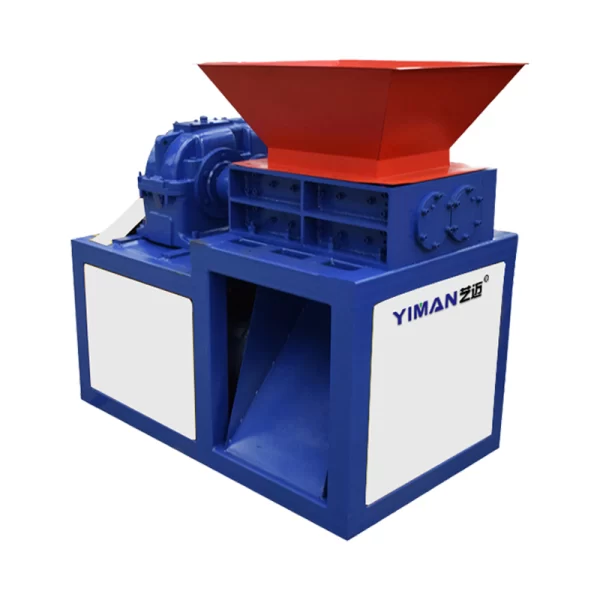
Screening and Baling: Preparing Waste for Efficient Transport, Storage, and Further Treatment
Screening and baling are crucial mechanical pre-treatment steps that prepare waste for efficient handling. Screening processes use various types of screens, such as trommel screens, to separate waste based on particle size. This helps remove inert materials and ensures that specific fractions are directed to appropriate treatment streams. Baling involves compacting sorted recyclable materials or refuse-derived fuel (RDF) into dense blocks. This reduces their volume, making storage and transportation more economical and efficient. Baling also protects materials from contamination and facilitates easier handling at recycling facilities or waste-to-energy plants.
Biological and Thermal Pre-Treatment Approaches for Organic Waste and Energy Recovery
Beyond mechanical separation, biological and thermal pre-treatment methods offer advanced solutions for organic waste management and energy generation. These processes are vital for maximizing resource recovery and minimizing environmental impact.
Mechanical Biological Treatment (MBT): Combining Mechanical Separation with Biological Stabilization
Mechanical Biological Treatment (MBT) systems integrate mechanical sorting with biological processes to stabilize and recover resources from mixed MSW. The mechanical stage separates recyclables and prepares the organic fraction. The biological stage, often composting or anaerobic digestion, stabilizes the organic material. This reduces its putrescibility and volume. MBT systems are effective for producing compost, refuse-derived fuel (RDF), or biogas, significantly reducing landfill dependency. They represent a comprehensive approach to waste management, combining material recovery with biological treatment.
Anaerobic Digestion and Composting: Transforming Organic Waste into Valuable Resources
Anaerobic digestion and composting are key biological pre-treatment methods for organic waste. Anaerobic digestion processes organic materials in the absence of oxygen, producing biogas (a renewable energy source) and digestate (a nutrient-rich fertilizer). Composting, an aerobic process, transforms organic waste into a stable, humus-like material suitable for soil amendment. Both methods divert significant amounts of organic waste from landfills, reducing methane emissions and producing valuable resources. We emphasize these processes for their environmental benefits and resource recovery potential. We also offer Intelligent Waste Food Treatment System and Organic Waste Treatment System to aid in managing organic waste streams.
Integrating Pre-Treatment into Comprehensive Solid Waste Management Systems for Sustainable Outcomes
Integrating pre-treatment effectively into overall solid waste management systems is critical for achieving sustainable outcomes. This involves careful planning and selection of appropriate technologies.
Selecting the Right Pre-Treatment Strategy: Factors to Consider for Optimal Efficiency
Selecting the optimal pre-treatment strategy requires evaluating several factors. These include waste composition, desired end-products, local regulations, available infrastructure, and economic viability. A thorough waste audit helps determine the most suitable mechanical, biological, or thermal processes. For example, regions with high organic waste content might prioritize anaerobic digestion. Conversely, areas aiming for high recycling rates will focus on advanced mechanical sorting. We assist clients in designing customized solutions that maximize efficiency and resource recovery while minimizing environmental impact. Our expertise ensures that the chosen strategy aligns with specific project goals.
The Future of MSW Pre-Treatment: Innovations and Emerging Technologies
The future of MSW pre-treatment involves continuous innovation and the integration of emerging technologies. Advanced sensor-based sorting, artificial intelligence (AI), and robotics are enhancing the precision and efficiency of mechanical separation. New biological processes are improving biogas yields and compost quality. Thermal technologies are evolving to recover more energy and materials from non-recyclable fractions. These innovations aim to create more circular waste management systems, where waste is viewed as a valuable resource rather than a disposal problem. We are actively exploring and implementing these technologies to drive greater sustainability in waste management. 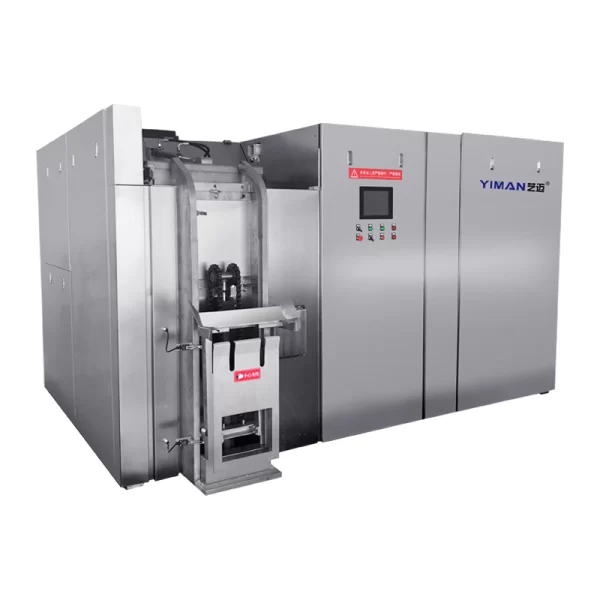
What are the primary benefits of pre-treating municipal solid waste?
Pre-treating municipal solid waste offers numerous benefits, including reducing the volume of waste sent to landfills, recovering valuable recyclable materials, improving the efficiency of subsequent treatment processes (like incineration or composting), and generating energy from waste. It also significantly mitigates environmental pollution and conserves natural resources.
How does pre-treatment impact the efficiency of waste-to-energy facilities?
Pre-treatment significantly enhances the efficiency of waste-to-energy facilities by homogenizing the waste stream, removing non-combustible materials, and reducing moisture content. This results in a more consistent and higher calorific value fuel, leading to more stable combustion, increased energy output, and reduced emissions.
What types of equipment are commonly used in MSW mechanical pre-treatment?
Common equipment used in MSW mechanical pre-treatment includes shredders (like double-shaft shredders for size reduction), screens (e.g., trommel screens for separating different particle sizes), magnetic separators (for ferrous metals), eddy current separators (for non-ferrous metals), and optical sorters (for plastic and paper). Baling machines are also used for compacting sorted materials.
Optimize Your Waste Management with Shanghai Yimai Industrial
Discover how Shanghai Yimai Industrial Co., Ltd. can enhance your waste management operations with our state-of-the-art solid-garbage waste treatment systems, including Double Shaft Shredder Machine and Double Helix Continuous Presser. Contact us today for a tailored solution that meets your specific needs and contributes to a sustainable future.
Email: overseas1@yimaipump.com
Phone/WhatsApp: +86 13482295009