
Vertical Turbine Fire Pumps: NFPA 20 Compliance & Design
Vertical turbine fire pumps sit at the heart of serious fire protection systems. When water sources live below grade—deep wells, underground reservoirs, or basement sumps—these pumps pull water up and push it through sprinkler networks and hydrants with the kind of reliability that matters when seconds count. NFPA 20 governs how these systems get designed, installed, and maintained, and for good reason: a fire pump that fails during an emergency isn’t just a mechanical problem, it’s a life safety failure. Shanghai Yimai Industrial builds vertical turbine fire pumps that meet these standards without compromise.
What NFPA 20 Actually Requires for Vertical Turbine Fire Pumps
NFPA 20, formally titled the Standard for the Installation of Stationary Pumps for Fire Protection, lays out everything from water supply specifications to controller requirements for vertical turbine fire pumps. The standard exists because fire pumps operate under conditions most equipment never faces—long periods of standby followed by sudden, high-stakes demand.
Water source requirements under NFPA 20 specify minimum water levels and reliable replenishment rates. A pump drawing from a well needs enough water column to maintain flow throughout a fire event, not just at startup. Pump room construction gets equal attention. The standard requires adequate space for maintenance access, proper ventilation to prevent motor overheating, and protection from both freezing temperatures and fire exposure. A pump room that floods or freezes during an emergency defeats the entire purpose of the system.
Fire pump controllers must carry listings specifically for fire service and provide automatic operation. When a sprinkler head opens or a hydrant valve turns, the controller senses the pressure drop and starts the pump without human intervention. Testing protocols round out the requirements. Weekly churn tests confirm the pump starts and runs. Monthly checks verify controller function. Annual flow tests measure actual output against rated capacity.
| Section | Description |
|---|---|
| 4.2 | Water Supply Requirements |
| 4.12 | Pump Suction and Discharge |
| 5.6 | Vertical Shaft Turbine-Type Pumps |
| 6.2 | Electric Drive for Pumps |
| 7.2 | Diesel Engine Drive for Pumps |
| 10.3 | Controllers for Electric Motors |
For guidance on matching pump specifications to your facility’s needs, see 《Picking the Right Water Pump A Step by Step Selection Guide》.
Why Vertical Turbine Pumps Deliver Reliable Fire Suppression
The fundamental advantage of vertical turbine fire pumps comes from their submerged bowl design. Because the pump bowls sit below the water surface, these systems eliminate priming problems entirely. Turn on a vertical turbine pump and water flows immediately. No air pockets to clear, no priming tanks to maintain, no delay while the system establishes suction.
This matters because fire suppression demands instant response. A horizontal pump with a suction lift needs time to evacuate air from the suction line before water reaches the impeller. A vertical turbine pump skips that step. Water surrounds the bowls constantly, ready to move the moment the motor spins.
The vertical orientation also conserves floor space. In pump rooms where every square meter carries cost implications, a vertical turbine pump’s compact footprint creates room for controllers, piping, and maintenance access. The Shanghai Yimai Industrial Vertical Turbine Fire-Fighting Pump (Model: YM-VTP) delivers flow rates from 20 to 50,000 m³/h with heads ranging from 3 to 300 m, covering everything from small commercial buildings to major industrial facilities.

Applications Where Vertical Turbine Fire Pumps Make Sense
Vertical turbine fire pumps excel in situations where water sources sit below the pump discharge point. High-rise buildings commonly use these systems because municipal water pressure can’t reach upper floors, and ground-level storage tanks or basement reservoirs provide the supply. The pump draws from below and boosts pressure to serve sprinklers dozens of stories up.
Industrial complexes present similar challenges at horizontal scale. A manufacturing campus might cover hundreds of acres with fire hydrants and sprinkler systems throughout. Locating a central pump station over a deep well or large underground storage tank allows one vertical turbine fire pump to serve the entire property. Power plants, refineries, and chemical facilities rely on these configurations because they need massive flow rates from reliable sources.
Natural water bodies work too. A facility near a lake or river can install a vertical turbine pump in a wet pit connected to the water source. The pump bowls stay submerged regardless of seasonal water level changes, maintaining suction without the complications that plague horizontal pumps in similar setups.
| Feature | Vertical Turbine Fire Pump | Horizontal Fire Pump |
|---|---|---|
| Water Source | Below ground, deep wells, reservoirs, sumps | At or above pump elevation, flooded suction |
| Footprint | Compact, vertical orientation | Larger, horizontal layout |
| Priming | Self-priming (submerged bowls) | Requires priming system |
| Space Requirement | Less floor space | More floor space |
| NPSH | Excellent for low Net Positive Suction Head (NPSH) available | Requires positive NPSH |
| Cost | Generally higher initial cost | Generally lower initial cost |
For additional perspective on vertical turbine pump advantages, read 《Optimizing Fire Safety Why Vertical Turbine Pumps Excel》.
Getting the Design and Installation Right
Proper sizing of a vertical turbine fire pump starts with hydraulic calculations that account for the most demanding sprinkler or hydrant scenario the system might face. This means identifying the hydraulically most remote area, calculating friction losses through all piping runs, and adding the elevation head between the water source and the highest discharge point. Undersizing leaves the system unable to meet demand. Oversizing wastes money and can cause operational problems from excessive pressure.
Motor selection depends on site conditions. Electric motors offer simplicity and lower maintenance, but they fail when power fails. A Fire Fighting Diesel Engine provides independence from the electrical grid, starting automatically when the controller signals demand. Many critical facilities install both, with the diesel engine serving as backup.
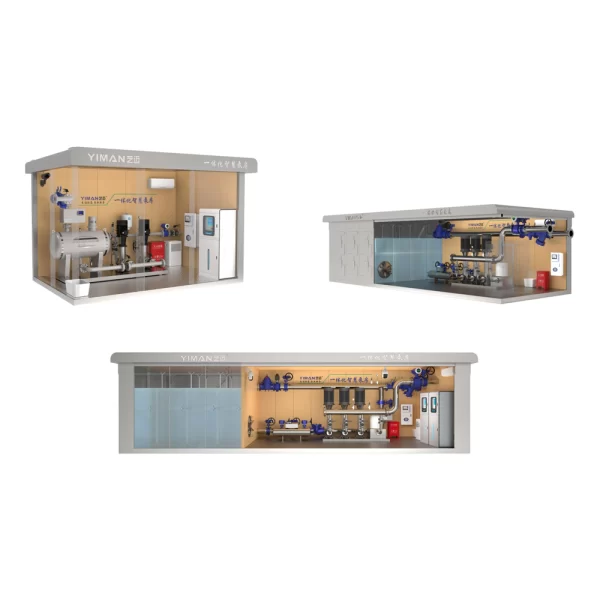
Controller integration requires attention to compatibility. The controller must match the motor’s electrical characteristics and provide the monitoring functions NFPA 20 requires. Pressure sensing, automatic start sequencing, and alarm outputs all need proper configuration. Installation details matter equally. Shaft alignment between the motor and pump column affects bearing life and vibration levels. Seismic bracing prevents damage during earthquakes in regions where codes require it. Discharge piping needs proper support to avoid transmitting loads back to the pump.
Maintenance and Testing That Keeps Systems Ready
A vertical turbine fire pump might run for years without facing an actual fire. That extended standby period creates its own risks. Seals dry out, bearings develop flat spots from sitting in one position, and controllers lose calibration. The testing schedule in NFPA 20 exists specifically to catch these problems before they cause failures.
Weekly tests involve starting the pump and letting it run briefly under no-flow conditions. This circulates lubricant through bearings, exercises seals, and confirms the controller responds to pressure signals. Monthly tests extend the run time and verify all alarm and monitoring functions operate correctly.
Annual flow tests provide the real proof of system capability. These tests measure actual flow rate and pressure against the pump’s rated curve, revealing any degradation in performance. A pump that delivered 2,000 GPM at 100 PSI when new but now produces only 1,800 GPM at the same pressure has a problem that needs investigation. Worn impellers, damaged bowl bearings, or air leaks in the column assembly can all reduce output.
Jockey pumps require their own attention. These small pumps maintain system pressure between fire pump cycles, preventing the main pump from starting every time a minor leak causes a pressure drop. A failed jockey pump leads to excessive cycling of the main fire pump, accelerating wear on components designed for occasional use.
Work with Shanghai Yimai Industrial on Your Fire Pump System
Shanghai Yimai Industrial Co., Ltd. brings deep experience in Vertical Turbine Fire Fighting Pump systems, NFPA 20 compliance, and custom engineering for challenging applications. Our team works through the technical details that determine whether a fire pump system performs when it matters most. Reach out to discuss your project requirements.
Email: overseas1@yimaipump.com | Phone/WhatsApp: +86 13482295009
Frequently Asked Questions About Vertical Turbine Fire Pumps
What separates vertical turbine fire pumps from horizontal models?
Vertical turbine fire pumps draw water from sources below ground level—wells, sumps, or underground tanks—using submerged bowl assemblies that eliminate priming requirements. Horizontal fire pumps need the water source at or above the pump elevation to maintain flooded suction. The vertical configuration also takes up less floor space, which matters in tight pump rooms. NFPA 20 addresses both types but includes specific sections for vertical shaft turbine pumps because their installation and testing requirements differ from horizontal units.
What does the NFPA 20 testing schedule look like?
NFPA 20 requires weekly no-flow tests where the pump runs briefly to confirm automatic starting and basic operation. Monthly tests extend this to verify controller functions and alarm outputs. Annual flow tests measure actual pump output against rated performance, using calibrated flow meters and pressure gauges to generate a test curve. These tests catch degradation before it compromises fire protection capability. Documentation of all tests becomes part of the facility’s compliance record.
How do engineers determine the right size for a vertical turbine fire pump?
Sizing starts with the fire protection demand—the flow rate and pressure needed at the most hydraulically demanding point in the system. Engineers calculate friction losses through piping, add elevation head from the water source to the highest discharge, and account for any pressure requirements at the discharge point. NFPA 20 provides methods for these calculations, but accuracy depends on detailed knowledge of the piping layout and the specific sprinkler or hydrant systems being served. Net positive suction head available from the water source also constrains pump selection, since the pump must operate without cavitation at all expected flow rates.