
Water Hammer in Booster Systems: Expert Prevention Strategies
Water hammer has a way of announcing itself before you fully understand what’s happening. The pipes shudder, something deep in the system bangs like a door slamming shut, and pressure gauges spike into ranges that make experienced operators pause. I’ve seen booster systems run for years without incident, then develop water hammer problems that traced back to a single valve adjustment or a pump that started cycling differently. The phenomenon itself is straightforward physics, but its consequences ripple through infrastructure in ways that aren’t always obvious until repair bills arrive.
Why Fluid Velocity Changes Create Pressure Waves
Water hammer, sometimes called hydraulic shock or pressure surge, happens when fluid moving through a pipeline suddenly changes speed or direction. That rapid shift converts kinetic energy into pressure energy, sending waves through the system that can reach magnitudes far exceeding normal operating pressures. The triggers are predictable: a valve closes too fast, a pump trips offline unexpectedly, or flow velocity shifts abruptly due to demand changes.
The damage potential is substantial. Pressure waves strong enough to rupture pipes or blow out joints aren’t theoretical concerns. They happen in real systems, often at the worst possible times. Pumps take the brunt of repeated shocks, with seals degrading faster than expected and bearings wearing prematurely. Valves and instrumentation suffer too. When pressure drops below the liquid’s vapor pressure, cavitation forms, and those collapsing vapor bubbles erode internal surfaces with surprising efficiency. Over time, even moderate water hammer events contribute to pipe fatigue, weakening materials incrementally until failure becomes inevitable.
Recognizing Water Hammer Before It Causes Serious Damage
The early signs of water hammer tend to be sensory. Pipes vibrate in ways they shouldn’t. Supports shake. The sounds range from sharp knocking to deeper banging, depending on the severity and location of the pressure fluctuations. These aren’t subtle indicators, but they’re easy to dismiss as normal system noise until something breaks.
Premature wear patterns tell a more detailed story. Seals that should last years fail in months. Pump efficiency drops without obvious cause. Valves develop leaks at connection points. Intermittent pressure drops or flow interruptions suggest hydraulic instability that warrants investigation rather than workarounds.
A proper risk assessment considers the physical characteristics that make systems vulnerable. Long pipelines amplify pressure wave effects. High flow velocities increase the energy available for conversion during sudden stops. Insufficient surge protection leaves no buffer against transient events. Pressure transducers and accelerometers provide the data needed to catch problems early, but only if someone is watching the readings and knows what abnormal patterns look like.
| Symptom | Potential Cause | Impact on System |
|---|---|---|
| Loud banging/knocking | Sudden valve closure, pump trip | Pipe damage, joint leaks |
| Pipe vibration | Pressure wave propagation, unsteady flow | Structural fatigue, support failure |
| Pressure gauge spikes | Rapid flow changes, hydraulic shock | Instrument damage, system instability |
| Premature seal failure | Repeated pressure cycling, cavitation | Leakage, reduced pump efficiency |
| Pump cavitation noise | Suction pressure drops, vapor bubble collapse | Impeller erosion, reduced pump lifespan |
| Frequent pipe leaks | High transient pressures, material fatigue | Water loss, increased maintenance costs |
Engineering Approaches That Actually Prevent Water Hammer
Preventing water hammer starts at the design stage, not as an afterthought when problems emerge. Hydraulic modeling helps anticipate where pressure surges will concentrate and how severe they might become under various operating scenarios. The goal is building in protection before the system ever sees water.
Surge tanks absorb excess pressure by providing volume for displaced fluid. Air vessels and accumulators serve a similar function, offering a compressible cushion that dampens pressure spikes. Pressure relief valves provide a safety release when transient pressures exceed acceptable limits. Slow-closing valves manage the transition from full flow to zero flow gradually enough that pressure waves stay within manageable ranges.
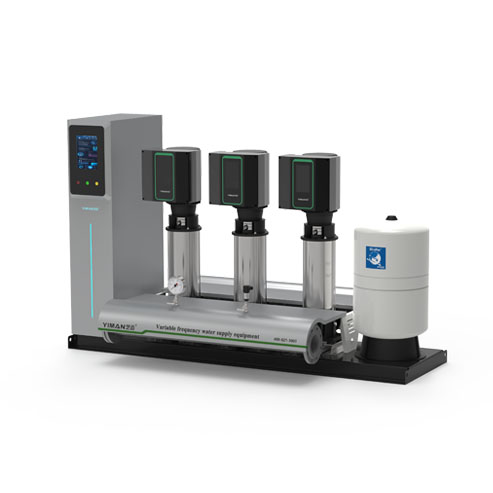
Variable frequency drives deserve particular attention for water hammer prevention in booster systems. VFDs allow pumps to accelerate and decelerate smoothly rather than snapping on and off at full speed. That gradual ramp eliminates the sudden velocity changes that generate pressure surges in the first place. The difference between a hard-started pump and one controlled by a VFD is often the difference between a system that develops water hammer problems and one that doesn’t.
Pipe routing matters more than many designers acknowledge. Sharp bends create turbulence and localized pressure variations. Undersized pipes force higher velocities that amplify water hammer effects when flow changes occur. Pump selection should favor models designed for stable operation across varying conditions rather than units optimized for a single operating point.
How do you prevent water hammer in a booster pump system?
The most effective prevention combines several approaches. VFD control for pumps ensures gradual speed changes rather than abrupt starts and stops. Slow-closing valves on discharge lines prevent the rapid flow cutoffs that trigger pressure waves. Proper pipe sizing reduces baseline velocities, leaving less kinetic energy available for conversion during transient events. Air chambers or surge arrestors at critical points absorb whatever pressure spikes do occur. No single measure eliminates water hammer risk entirely, but layered protection makes serious events rare.
Operational Habits That Reduce Water Hammer Risk
Design provides the foundation, but daily operations determine whether that foundation holds. Pump startup and shutdown procedures should emphasize gradual pressurization and depressurization. Rushing these transitions saves minutes while creating conditions for water hammer that can cost hours or days in repairs.
Valve operation speed requires conscious attention. Operators accustomed to quick valve movements may not realize they’re generating pressure surges with every adjustment. Training programs that explain the physics behind water hammer tend to produce more careful habits than rules imposed without context.
Regular maintenance catches developing problems before they escalate. Air pockets that accumulate in high points of piping systems can amplify water hammer effects significantly. Valves that don’t close smoothly create unpredictable flow interruptions. Pressure monitoring systems only help if someone reviews the data regularly and knows what warning signs look like.
Clear emergency protocols matter when unexpected pressure surges occur. A controlled response limits damage; a panicked one often makes things worse.
Integrated Systems That Build In Water Hammer Protection
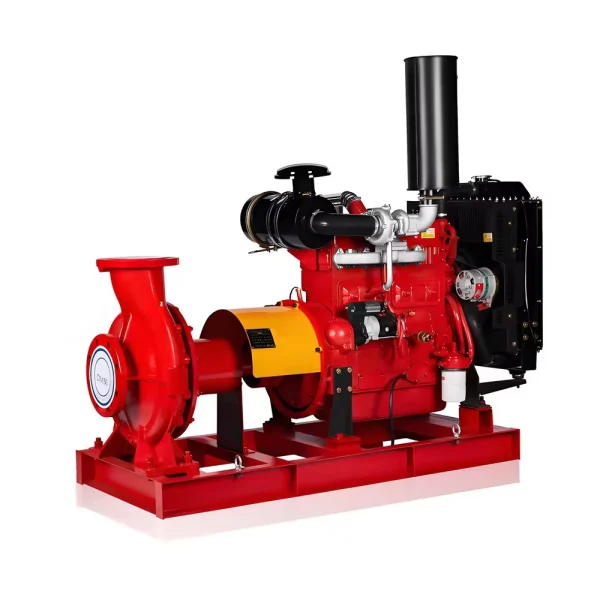
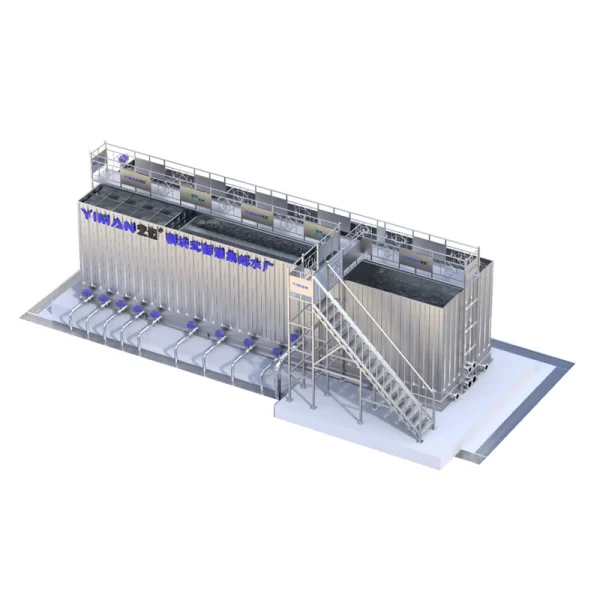
The most reliable water hammer management comes from systems designed as integrated units rather than assembled from separate components. Integrated pump stations and modular intelligent water plants incorporate surge protection as part of their core engineering rather than as add-on equipment.
Custom system design allows protection strategies to match specific site conditions. A municipal water supply system faces different water hammer risks than an industrial process application, and the optimal solutions differ accordingly. Hydraulic analysis during the design phase identifies where pressure surges will concentrate and sizes protection equipment appropriately.
The operational benefits extend beyond water hammer prevention. Well-integrated systems typically achieve better energy efficiency and lower maintenance costs because all components work together as intended. The 《Prefabricated Pump Station Revolutionizing Urban Drainage with Speed and Intelligence》 article covers how integrated designs handle surge protection as part of their fundamental architecture.
What are the common causes of water hammer in pipelines?
Most water hammer events trace back to rapid changes in fluid velocity. Sudden valve closure tops the list because it abruptly stops flow and converts all that kinetic energy into a pressure wave traveling back through the system. Pump trips produce similar effects when a running pump shuts down unexpectedly. Rapid flow changes from system adjustments or demand fluctuations can trigger water hammer even without equipment failures. Air pockets trapped in pipelines amplify pressure effects, and cavitation collapse adds additional destructive pressure spikes when vapor bubbles form and implode.
Can water hammer damage pumps and piping?
Water hammer causes real, measurable damage to both pumps and piping. The pressure surges stress pipe walls and joints beyond their design limits, leading to ruptures and leaks. Pumps suffer particularly because they sit at the heart of the flow system where pressure waves concentrate. Repeated shocks accelerate seal wear, damage bearings, and can cause cavitation erosion on impellers. Valves, fittings, and instrumentation all degrade faster under water hammer conditions. The cumulative effect compromises system integrity and reliability in ways that become expensive to address.
Partner with Us for Hydraulic Stability
Ensuring the hydraulic stability and longevity of your booster systems is our priority. Shanghai Yimai Industrial Co., Ltd. provides advanced solutions for water hammer prevention and management, from intelligent pump systems to integrated water treatment plants. Our expertise guarantees reliable, efficient, and safe operations for your infrastructure. For detailed consultations or to discuss your specific project needs, please contact us directly.
Email: overseas1@yimaipump.com
Phone/WhatsApp: +86 13482295009