
Avoiding Common Booster Pump Installation Mistakes: A Comprehensive Guide
Proper installation of a booster pump system is crucial for its long-term performance and efficiency. Incorrect setup leads to frequent breakdowns, reduced lifespan, and higher operational costs. We provide this comprehensive guide to help you understand and avoid common installation errors, ensuring optimal water pressure and system reliability.
Understanding the Critical Role of Proper Booster Pump Installation
Booster pump systems are designed to enhance water pressure and flow in various applications, from residential buildings to industrial facilities. Their correct installation directly impacts their effectiveness and durability. A well-installed system operates quietly, efficiently, and reliably, delivering consistent water pressure. Conversely, poor installation results in noise, leaks, premature wear, and even complete system failure. Investing time in understanding proper installation procedures prevents costly repairs and replacements down the line.
Why Correct Installation Prevents Costly Failures and Ensures Performance
The performance of any booster pump hinges on its installation. Factors such as pump sizing, pipework, electrical connections, and pressure settings must be meticulously managed. Neglecting these details can lead to significant issues. For example, an undersized pump struggles to meet demand, while an oversized pump wastes energy and causes unnecessary wear. Both scenarios reduce the system’s lifespan and increase energy consumption. Correct installation ensures the system operates within its design parameters, maximizing efficiency and minimizing maintenance needs.
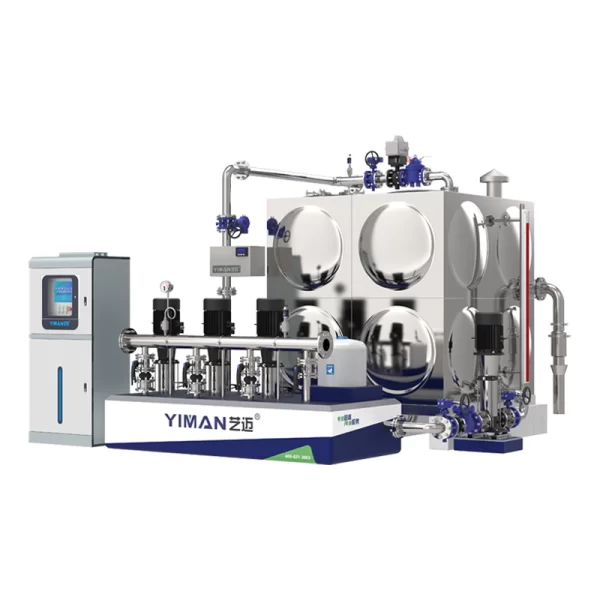
Identifying the Most Frequent Booster Pump Installation Errors
Identifying common installation errors is the first step toward preventing them. Our experience shows that many problems stem from a few recurring mistakes. Understanding these pitfalls helps installers approach their work with greater precision and foresight.
Incorrect Pump Sizing and Selection
Selecting the wrong pump size is a major error. An undersized pump cannot meet the required flow and pressure, leading to user dissatisfaction and continuous operation, which causes premature failure. An oversized pump results in excessive energy consumption, frequent cycling, and increased noise. Proper sizing depends on accurate calculations of demand flow rate and required pressure head. These calculations consider factors like building height, fixture units, and pipe friction losses.
Improper Pipework and Connection Practices
Pipework directly affects pump efficiency and longevity. Common mistakes include using pipes that are too small, creating excessive friction loss. Sharp bends, inadequate support, and improper valve placement also hinder flow and create cavitation. Incorrectly sealed connections lead to leaks, which reduce system pressure and can damage surrounding structures. The pipework should be robust, correctly sized, and properly supported to minimize stress on the pump.
Electrical Wiring and Control System Misconfigurations
Electrical errors pose safety risks and can damage the pump motor. Incorrect voltage, inadequate wire sizing, and improper grounding are frequent issues. Control system misconfigurations, especially with variable frequency drives (VFDs), can lead to erratic operation, pressure fluctuations, and energy waste. A properly configured VFD system, like our VFD Controlled Booster System , ensures smooth operation and energy efficiency. All electrical work must comply with local codes and be performed by qualified personnel.
Overlooking Critical Pressure and Flow Rate Settings
Setting the correct pressure and flow rates is essential for optimal system performance. Many installers overlook these critical adjustments, leading to systems that are either inefficient or fail to meet user expectations. Incorrect pressure settings can cause water hammer, pipe damage, and frequent pump cycling. Flow rate settings must match the system’s demand to prevent dry running or over-pressurization. Regular calibration and monitoring are necessary to maintain these settings.
Neglecting Environmental and Location Considerations
The installation environment significantly impacts a booster pump’s performance and lifespan. Placing the pump in areas with poor ventilation, extreme temperatures, or high humidity can lead to overheating, corrosion, and electrical failures. Inadequate space for maintenance and repairs also increases service costs. The pump location should be dry, well-ventilated, easily accessible, and protected from environmental extremes.
Best Practices for Flawless Booster Pump Installation
Adhering to best practices ensures a reliable and efficient booster pump system. These guidelines cover every stage of installation, from initial planning to final calibration.
Step-by-Step Guide to Optimal Pump Sizing
- Assess Demand: Calculate the peak water demand for the application in liters per minute (LPM) or gallons per minute (GPM). Consider the number and type of fixtures simultaneously in use.
- Determine Pressure Requirements: Identify the minimum required pressure at the highest or most remote fixture. Account for static head (vertical lift) and friction losses in the piping system.
- Consult Pump Curves: Use manufacturer-provided pump performance curves to select a pump that meets both flow and pressure requirements within its efficient operating range.
- Consider Future Expansion: Factor in any potential future increases in demand to avoid premature system upgrades.
- Utilize Sizing Software: Employ specialized software or consult with experienced engineers for complex systems to ensure precise sizing.
Recommendation: For detailed guidance on system design, consider reading 《Booster Water System Design: 5 Steps to Guaranteed Constant Pressure》.
Adhering to Proper Piping and Valve Installation Standards
- Use Correct Pipe Sizing: Select pipe diameters that minimize friction loss while maintaining adequate flow velocity.
- Minimize Bends and Fittings: Reduce the number of elbows and fittings to decrease hydraulic resistance.
- Provide Adequate Support: Securely support all pipework to prevent vibration and stress on the pump connections.
- Install Isolation Valves: Place isolation valves on both the suction and discharge sides of the pump for easy maintenance and repair.
- Include Check Valves: Install check valves to prevent backflow and water hammer, especially in multi-pump systems.
- Ensure Proper Expansion Joints: Use expansion joints where necessary to absorb thermal expansion and contraction.
Ensuring Accurate Electrical and Control System Setup
- Verify Voltage and Amperage: Confirm that the electrical supply matches the pump’s requirements.
- Use Correct Wire Gauge: Select wire gauges that can safely handle the pump’s current draw, preventing overheating.
- Proper Grounding: Ensure the pump and control panel are correctly grounded to protect against electrical faults.
- Configure VFDs Accurately: Program VFD Controlled Booster System parameters according to the system’s specific pressure and flow requirements. This optimizes energy use and extends pump life.
- Test Safety Devices: Verify the functionality of all safety devices, such as overload protectors and dry-run sensors.
Calibrating Pressure and Flow for Peak Efficiency
- Initial Pressure Setting: Set the desired system pressure using the pump’s control panel or pressure switch.
- Monitor Flow Rate: Verify that the actual flow rate meets the system’s demand under various operating conditions.
- Adjust Cut-in/Cut-out Points: For pressure-switch-controlled systems, adjust the cut-in and cut-out pressures to prevent short cycling.
- Fine-tune VFD Parameters: For VFD-controlled systems, fine-tune acceleration/deceleration ramps and proportional-integral-derivative (PID) loop settings for stable pressure control.
- Perform Regular Checks: Periodically check pressure gauges and flow meters to ensure consistent performance.
Essential Pre-Installation Checks and Site Preparation
- Site Survey: Conduct a thorough site survey to evaluate environmental conditions, accessibility, and space availability.
- Foundation Preparation: Ensure a stable, level foundation that can support the pump’s weight and absorb vibrations.
- Component Inspection: Inspect all pump components, pipes, valves, and electrical parts for damage before installation.
- Clearance: Provide adequate clearance around the pump for future maintenance and ventilation.
- Drainage: Ensure proper drainage around the pump to prevent water accumulation.
For insights into efficient water pumping systems, read 《Building an Energy-Efficient Water Pumping System》.
The Benefits of Professional Installation and Quality Equipment
Choosing professional installation and high-quality equipment offers substantial long-term advantages. These benefits extend beyond immediate functionality to include operational savings and enhanced reliability.
Maximizing System Efficiency and Longevity
Professional installers possess the expertise to correctly size, install, and calibrate booster pump systems. This precision maximizes operational efficiency, reducing energy consumption and extending the lifespan of the equipment. Quality components, such as those found in an Intelligent Digital Driven VFD Booster System , are designed for durability and consistent performance. This combination minimizes wear and tear, leading to fewer breakdowns and a longer service life.
Reducing Maintenance Costs and Downtime
A properly installed system with high-quality components requires less frequent maintenance and experiences fewer unexpected failures. This significantly reduces maintenance costs and minimizes downtime, ensuring continuous water supply. Regular preventative maintenance, made easier by correct installation, further enhances reliability. This proactive approach saves resources and avoids disruptions.
Enhancing Overall Water Pressure and Supply Reliability
The primary goal of a booster pump is to provide consistent and adequate water pressure. Professional installation ensures this goal is met reliably. By avoiding common mistakes, the system delivers stable pressure across all demand points. This reliability is crucial for both residential comfort and industrial processes, where consistent water supply is critical.
Ensure Your Booster Pump System Performs Optimally
Achieving optimal performance from your booster pump system starts with expert installation. We specialize in providing high-quality booster pump solutions and professional installation guidance. Our team ensures every aspect of your system is correctly configured for efficiency and reliability.
Contact us today to discuss your booster pump needs and benefit from our expertise.
FAQs
What are the signs of a poorly installed booster pump?
Signs of a poorly installed booster pump often include excessive noise or vibration, frequent on/off cycling, inconsistent water pressure, and visible leaks around connections. Additionally, higher-than-expected energy bills and premature component wear can indicate installation issues. Addressing these signs promptly prevents further damage and costly repairs.
How often should a booster pump system be inspected after installation?
After installation, a booster pump system should undergo an initial inspection within the first month to verify proper operation. Subsequently, annual inspections are recommended. For high-demand or critical applications, semi-annual inspections may be more appropriate. Regular checks ensure continued efficiency and identify potential issues early.
Can I install a booster pump myself, or should I hire a professional?
While some basic booster pumps might seem manageable for DIY enthusiasts, complex systems or those requiring precise sizing and electrical work should be installed by a professional. Incorrect installation can lead to safety hazards, system damage, and voided warranties. Professionals ensure compliance with codes and optimal performance.
What is the ideal location for installing a booster pump?
The ideal location for a booster pump is a dry, well-ventilated area that is easily accessible for maintenance. It should be protected from extreme temperatures, direct sunlight, and freezing conditions. Placing the pump on a solid, level foundation helps reduce vibration and noise. Adequate space around the pump is also essential for airflow and servicing.
How does incorrect pump sizing affect system performance?
Incorrect pump sizing severely impacts system performance. An undersized pump struggles to meet demand, leading to low pressure and continuous operation, which causes premature failure. An oversized pump wastes energy, cycles frequently, and can cause water hammer, reducing its lifespan and increasing operational costs. Proper sizing ensures efficient and reliable operation.
Keywords:
booster pump installation mistakes, pump sizing, pipework, electrical connections, pressure settings